

Tips on Safely Driving Through Flooded Roads
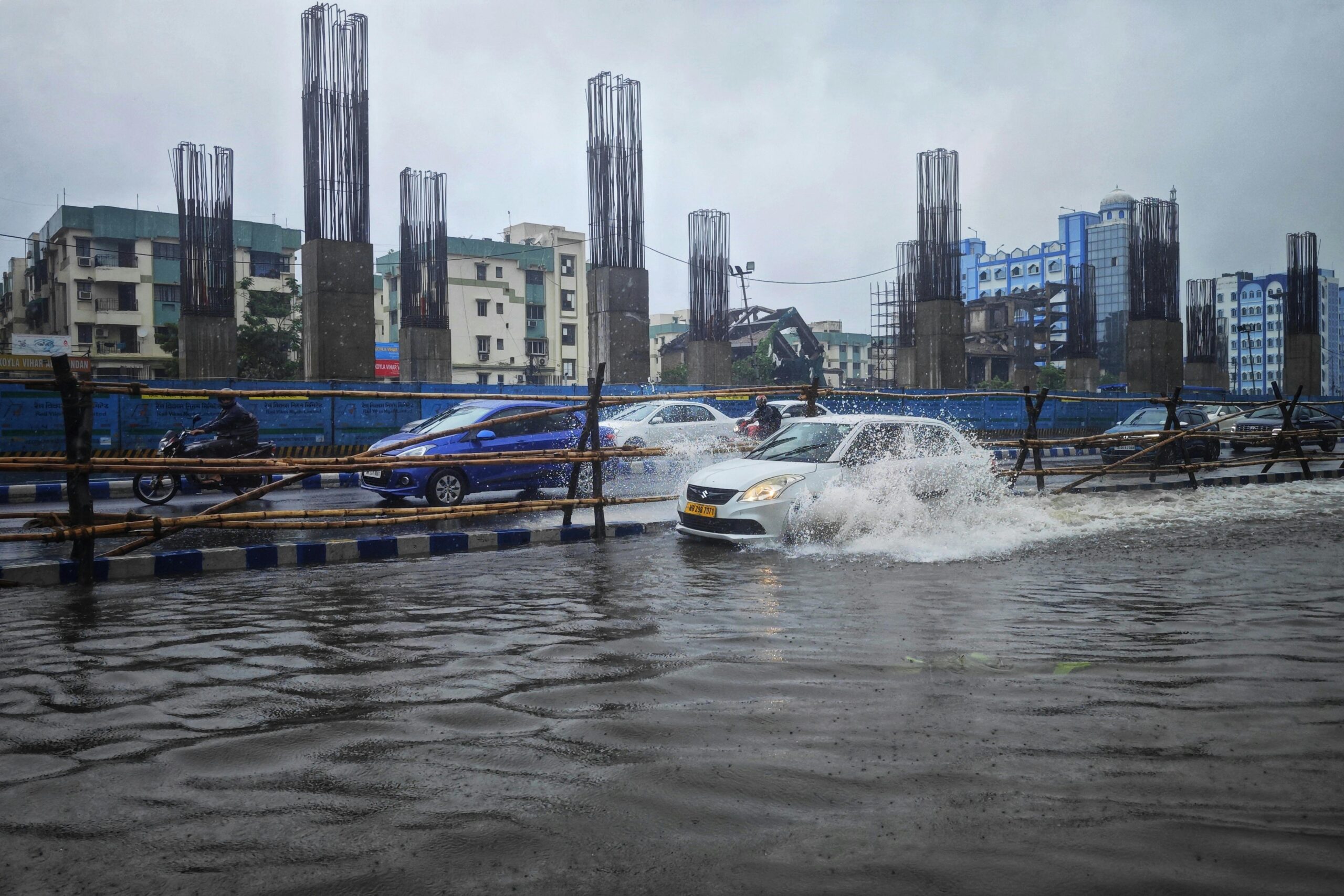
When heavy rains hit, roads can quickly turn into rivers, presenting a major challenge for even the most experienced drivers. While the golden rule is always “Turn Around, Don’t Drown,” sometimes you might find yourself in a situation where navigating a flooded patch of road seems unavoidable. For those of us who love our cars, the thought of water damage is a nightmare, but personal safety is even more critical.
To Go or Not to Go: The First and Most Important Decision
Before you even think about putting a tire into standing water, you need to make a critical assessment. This isn’t just about whether your car can make it; it’s about whether it should. The safest bet is always to find an alternate route. A few extra minutes on the road is infinitely better than a stalled engine, a totaled vehicle, or a dangerous water rescue.
The first thing to evaluate is the depth of the water. It’s incredibly difficult to judge just by looking. What appears to be a shallow puddle could easily be deep enough to cause serious problems. As a general rule, most passenger cars can safely handle water up to 4-6 inches deep. Anything deeper than the bottom of your doors is a major risk. Once water gets inside the cabin, it can ruin your interior, damage sensitive electronics, and create a hazardous situation.
How can you estimate the depth? Look for clues. Are the curbs still visible? Can you see the painted lines on the road? If other cars are driving through, observe how the water level reaches their wheels and undercarriage. If a car similar to yours is struggling or stalling, that’s your sign to stay away. If you see no other cars, it’s a gamble you shouldn’t take.
Another critical factor is the water’s movement. Standing water is one thing, but moving water is a completely different beast. It only takes six inches of moving water to knock a person off their feet, and just a foot of it can sweep away many vehicles, including SUVs and trucks. The force is powerful and deceptive. If the water is flowing across the road, do not attempt to cross it. Period.
The Risks: What Can Happen to Your Car?
As a car enthusiast, you appreciate the complex systems working together to make your vehicle run. Floodwater is the enemy of nearly every one of those systems. Understanding the specific dangers can help reinforce why avoiding floods is so important.
Engine Damage: The Dreaded Hydrolock
This is the big one. Your engine needs air to function, which it pulls in through an air intake system. If water gets sucked into the intake, it travels directly into the cylinders. Unlike air, water cannot be compressed. When the piston moves up to complete its compression stroke, it hits a wall of unyielding water. The result is a catastrophic failure known as hydrolock. The force can bend piston rods, crack the engine block, and completely destroy your engine. An engine replacement is one of the most expensive repairs a car can undergo.
The location of your air intake matters. On many cars, it’s located low in the front of the engine bay to draw in cooler, denser air for better performance. This design makes them particularly vulnerable to sucking in water. Some off-road vehicles have high-mounted snorkels for this very reason, but your daily driver or sports car does not.
Electrical System Failure
Modern cars are packed with electronics. From the Engine Control Unit (ECU) that manages engine performance to the infotainment system, airbags, and power steering, everything relies on a complex network of wires, sensors, and modules. Water and electricity do not mix. Moisture can short-circuit systems, corrode connectors, and cause long-term, intermittent electrical gremlins that are a nightmare to diagnose and fix. Even if the car seems fine immediately after driving through water, corrosion can set in over days or weeks, leading to future failures.
Damage to Brakes, Bearings, and Drivetrain
Your braking system can be temporarily compromised after going through water. The rotors and pads get wet, reducing their effectiveness until they dry out. More importantly, water can get into your wheel bearings, washing away the grease that lubricates them. This leads to premature wear, noise, and eventual failure.
Furthermore, your transmission, differentials, and transfer case (on AWD/4WD vehicles) have vent tubes to allow for pressure changes. If submerged, these vents can allow water to seep in, contaminating the lubricating fluids. Water-contaminated oil or transmission fluid loses its ability to protect gears and internal components, leading to accelerated wear and costly damage.
How to Drive Through Water if You Absolutely Must
Let’s be clear: this is a last resort. If you have evaluated the situation and believe it is safe and necessary to proceed, here is how to minimize the risks.
- ol]:!pt-0 [&>ol]:!pb-0 [&>ul]:!pt-0 [&>ul]:!pb-0″ dir=”ltr” value=”1″>Wait and Watch: If possible, pull over to a safe spot and watch other cars go through. Pay attention to vehicles of a similar size and ride height to yours. See where they enter, what path they take, and how deep the water gets on their vehicle.
- ol]:!pt-0 [&>ol]:!pb-0 [&>ul]:!pt-0 [&>ul]:!pb-0″ dir=”ltr” value=”2″>Go One at a Time: Don’t follow another car directly into the water. If they stall, you’ll be stuck behind them with nowhere to go. Wait for the car ahead of you to be completely clear of the water before you enter.
- ol]:!pt-0 [&>ol]:!pb-0 [&>ul]:!pt-0 [&>ul]:!pb-0″ dir=”ltr” value=”3″>Drive in the Middle: Roads are often crowned, meaning the center is the highest point to allow for water runoff. By staying in the middle of the road, you might be driving in the shallowest section. Avoid the edges, where water tends to be deepest.
- ol]:!pt-0 [&>ol]:!pb-0 [&>ul]:!pt-0 [&>ul]:!pb-0″ dir=”ltr” value=”4″>Slow and Steady Wins the Race: This is the most important technique. You want to maintain a slow, consistent speed—around 3-4 mph. This creates a small bow wave in front of your vehicle, which pushes water away from the front of the car and, crucially, away from your engine’s air intake. If you go too fast, you risk splashing water up into the engine bay and creating a larger wake that could flood your own car or others. If you go too slow or stop, you lose your bow wave, and the water level will equalize around your car, potentially entering the exhaust or engine bay.
- ol]:!pt-0 [&>ol]:!pb-0 [&>ul]:!pt-0 [&>ul]:!pb-0″ dir=”ltr” value=”5″>Stay in a Low Gear: If you’re driving an automatic, manually select first or second gear (
Lor1/2). For a manual transmission, stay in first gear. This keeps your engine RPMs slightly higher, which helps prevent water from entering your exhaust pipe. It also gives you more consistent torque to power through without needing to shift gears, which could cause you to lose momentum. - ol]:!pt-0 [&>ol]:!pb-0 [&>ul]:!pt-0 [&>ul]:!pb-0″ dir=”ltr” value=”6″>Don’t Stop: Once you commit, keep moving. Stopping in the middle of a flooded area is the fastest way to get stuck. The loss of momentum and the bow wave will likely lead to a stall.
After the Crossing: The Post-Flood Checklist
You made it through. Great. But your job isn’t done yet. Now it’s time to check for potential issues.
- ol]:!pt-0 [&>ol]:!pb-0 [&>ul]:!pt-0 [&>ul]:!pb-0″ dir=”ltr” value=”1″>Dry Your Brakes: As soon as you’re clear of the water, gently apply your brakes while driving slowly. The friction will generate heat and help dry off the pads and rotors, restoring their normal performance. You may notice they feel weak or unresponsive at first. Test them a few times in a safe area until you feel them bite properly again.
- ol]:!pt-0 [&>ol]:!pb-0 [&>ul]:!pt-0 [&>ul]:!pb-0″ dir=”ltr” value=”2″>Listen for Strange Noises: Pay attention to any new sounds. A grinding or whirring noise from the wheels could indicate a problem with your wheel bearings. Any unusual engine noises could be a sign of a serious issue.
- ol]:!pt-0 [&>ol]:!pb-0 [&>ul]:!pt-0 [&>ul]:!pb-0″ dir=”ltr” value=”3″>Check Your Fluids: When you get a chance, check your engine oil and transmission fluid. If the oil on the dipstick looks milky or like a coffee with too much cream, it’s a sign that water has mixed with it. If this is the case, do not drive the car. Have it towed to a mechanic immediately to have the fluids flushed and changed. The same applies to your differential fluid.
- ol]:!pt-0 [&>ol]:!pb-0 [&>ul]:!pt-0 [&>ul]:!pb-0″ dir=”ltr” value=”4″>Inspect the Interior: Check under the carpets and floor mats for any dampness. If water got inside, it’s essential to dry it out completely to prevent mold, mildew, and electrical issues. You may need to use fans, a dehumidifier, or even remove the seats and carpet for a thorough drying.
Ultimately, your car is replaceable, but you are not. No destination is worth risking your safety. When the skies open up and the roads start to flood, the smartest move is always the one that keeps you and your vehicle on high, dry ground.