

How Summer Heat Damages Your Car (and How to Prevent It)
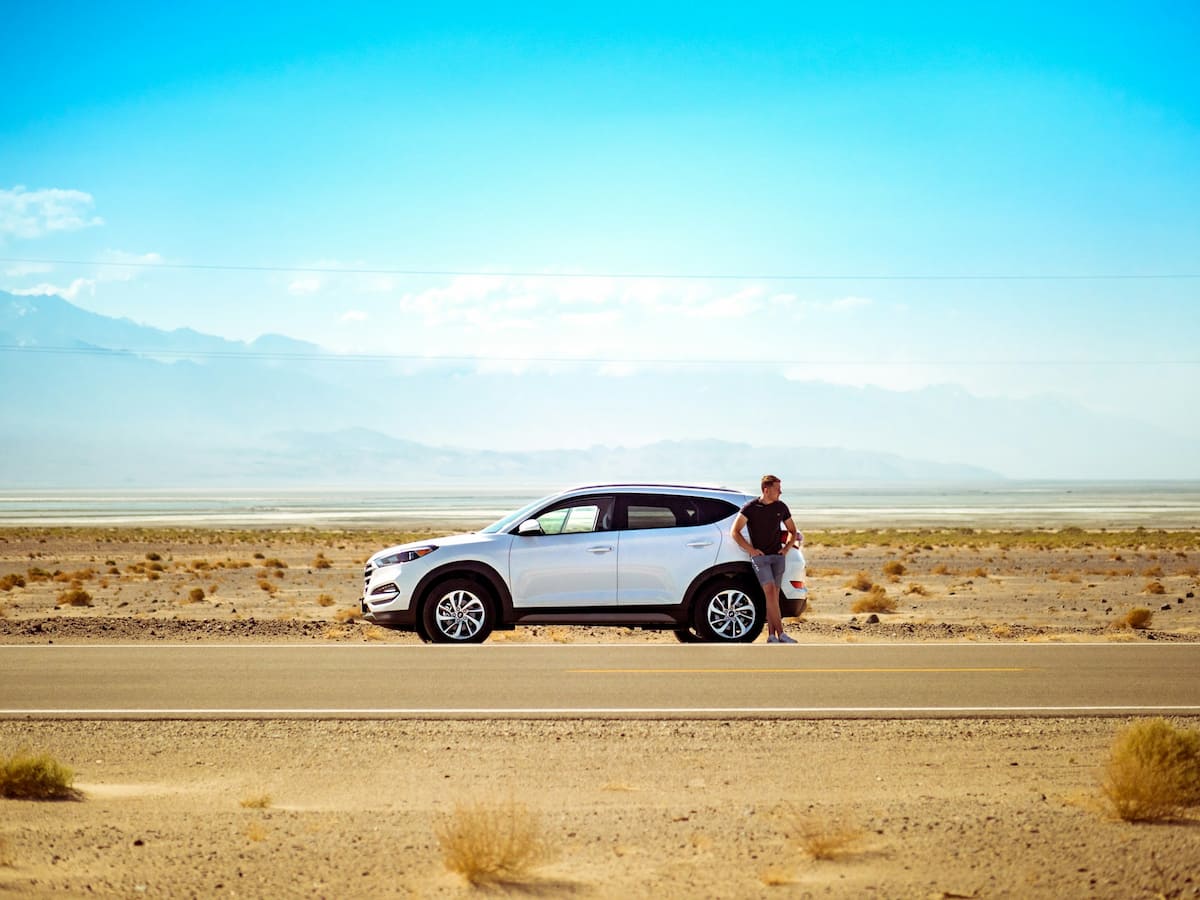
Summer is road trip season — but it’s also one of the harshest times of year for your vehicle. While most drivers worry about winter weather wreaking havoc on their cars, extreme heat can be just as destructive, and far less obvious about it. The damage builds quietly, under the hood and in the cabin, until one day something fails at the worst possible moment.
Here’s a breakdown of everything summer heat does to your car — and what you can do to stay ahead of it.
The Engine: Working Overtime in the Heat
Your engine generates enormous amounts of heat on its own. In summer, it has to fight against the ambient temperature outside, which means your cooling system is working harder than at any other time of year.
The cooling system — made up of your radiator, coolant, water pump, and thermostat — is designed to keep engine temperatures within a safe range. But when outside temps soar into the 90s and 100s, that system gets pushed to its limits, especially during stop-and-go traffic when there’s little airflow through the grille.
What can happen: Overheating, coolant leaks, a blown head gasket, or a cracked radiator. Any of these can sideline your car and lead to expensive repairs.
What to do: Check your coolant level at least once a month during summer. If it’s low, top it off with the correct type for your vehicle (check your owner’s manual). If you notice the temperature gauge creeping toward the red, pull over safely and let the engine cool before investigating. Have your cooling system inspected by a mechanic before summer hits if your car has high mileage or hasn’t been serviced recently.
Your Battery: Closer to the Edge Than You Think
Most people associate dead batteries with cold weather, and while freezing temperatures do slow battery chemistry, heat is actually what kills batteries faster. High temperatures cause the fluid inside a battery to evaporate, which corrodes internal components and accelerates the chemical breakdown that shortens battery life.
A battery weakened by summer heat often survives just long enough to fail when the temperatures drop in fall or winter, which is why so many people are surprised by a dead battery in November.
What can happen: Reduced battery capacity, sulfation buildup on the plates, or complete battery failure — often without much warning.
What to do: If your battery is three years old or older, have it tested at an auto parts store (most do this for free). Look for corrosion around the terminals — a white or bluish crust is a warning sign. Clean the terminals with a wire brush and baking soda solution if needed. If the battery tests weak, replace it before it strands you.
Tires: Pressure Problems and Blowout Risk
Heat and tires are a dangerous combination. As temperatures rise, so does the air pressure inside your tires — roughly 1 PSI for every 10 degrees Fahrenheit. While that might not sound like much, tires that are already slightly overinflated in the morning can become dangerously over-pressurized by afternoon, especially on hot asphalt that can reach 150°F or more.
Overinflated tires wear unevenly down the center of the tread, reducing grip and handling. Worse, tires that are already worn or have sidewall damage are at significantly higher risk of a blowout in extreme heat.
What can happen: Uneven tire wear, reduced traction, and in serious cases, a high-speed blowout.
What to do: Check your tire pressure in the morning before driving, when the tires are “cold.” Follow the recommended PSI listed on the sticker inside your driver’s door — not the maximum pressure listed on the tire sidewall. Inspect your tires regularly for cracks, bulges, or tread wear. If the tread is low, summer is not the time to delay replacing them.
Fluids: Breaking Down Faster in the Heat
Engine oil, transmission fluid, brake fluid, and power steering fluid all degrade faster under high temperatures. Oil in particular loses its viscosity — its ability to lubricate — more quickly in summer, which means metal parts in your engine can wear against each other with less protection.
Brake fluid is hygroscopic, meaning it absorbs moisture from the air over time. In summer heat, moisture-contaminated brake fluid can actually boil inside the brake lines during heavy use — like descending a long hill — causing a temporary and terrifying loss of braking power known as brake fade.
What can happen: Increased engine wear, transmission slipping, compromised brake performance, and accelerated breakdown of fluid throughout the vehicle.
What to do: Check all fluid levels monthly and change them on the schedule recommended in your owner’s manual. If you’re doing a lot of summer driving — especially towing or driving in mountainous terrain — consider having your brake fluid tested for moisture content. It’s an inexpensive check that can prevent a serious safety issue.
The Cabin: Heat Damage You Can See
The interior of a car parked in direct sunlight can reach temperatures of 130–170°F on a hot day. That kind of heat does visible damage over time. Dashboard plastic cracks and warps. Leather seats dry out and split. Steering wheel coverings fade and become brittle. UV rays also fade upholstery and can cause vinyl surfaces to shrink or separate.
Beyond cosmetics, extreme cabin heat is also a safety issue — especially for children, pets, and anyone who might be left in a vehicle even briefly.
What can happen: Cracked dashboards, faded and split upholstery, UV damage to interior plastics, and reduced resale value.
What to do: Use a windshield sunshade whenever you park outdoors. Park in the shade or a garage when possible. Apply UV protectant to your dashboard and leather seats a few times a year. Tinted windows — either factory or professionally installed aftermarket film — can significantly reduce heat buildup and UV exposure inside the cabin.
Belts and Hoses: Rubber Doesn’t Love Heat
Rubber components like serpentine belts, timing belts, and coolant hoses are already under constant stress from heat, pressure, and friction during normal operation. In summer, that stress intensifies. High under-hood temperatures cause rubber to harden, crack, and eventually fail — and a snapped serpentine belt or burst coolant hose can leave you stranded quickly.
What can happen: Belt failure that disables power steering, the alternator, or the water pump; coolant hose rupture leading to overheating.
What to do: Inspect your belts and hoses visually for cracks, fraying, or soft spots. Squeeze coolant hoses — they should feel firm but slightly pliable, not rock hard or mushy. If your belts or hoses haven’t been replaced in 50,000–100,000 miles, have a mechanic assess them before summer driving season gets underway.
The Bottom Line
Summer heat doesn’t announce itself the way a blizzard does, but it’s grinding away at your vehicle every time the mercury climbs. The good news is that most heat-related damage is entirely preventable with routine attention. A pre-summer inspection, regular fluid checks, proper tire pressure, and a few simple habits — like using a sun shade and parking in the shade — go a long way toward keeping your car healthy all season long.
Don’t wait for a breakdown to think about it. A little maintenance now is a lot cheaper than a tow truck and a repair bill in August.
(featured image: Jamie Street / Unsplash)