

Driving into the Future: Septa plans long-term shift to zero-emission fleet
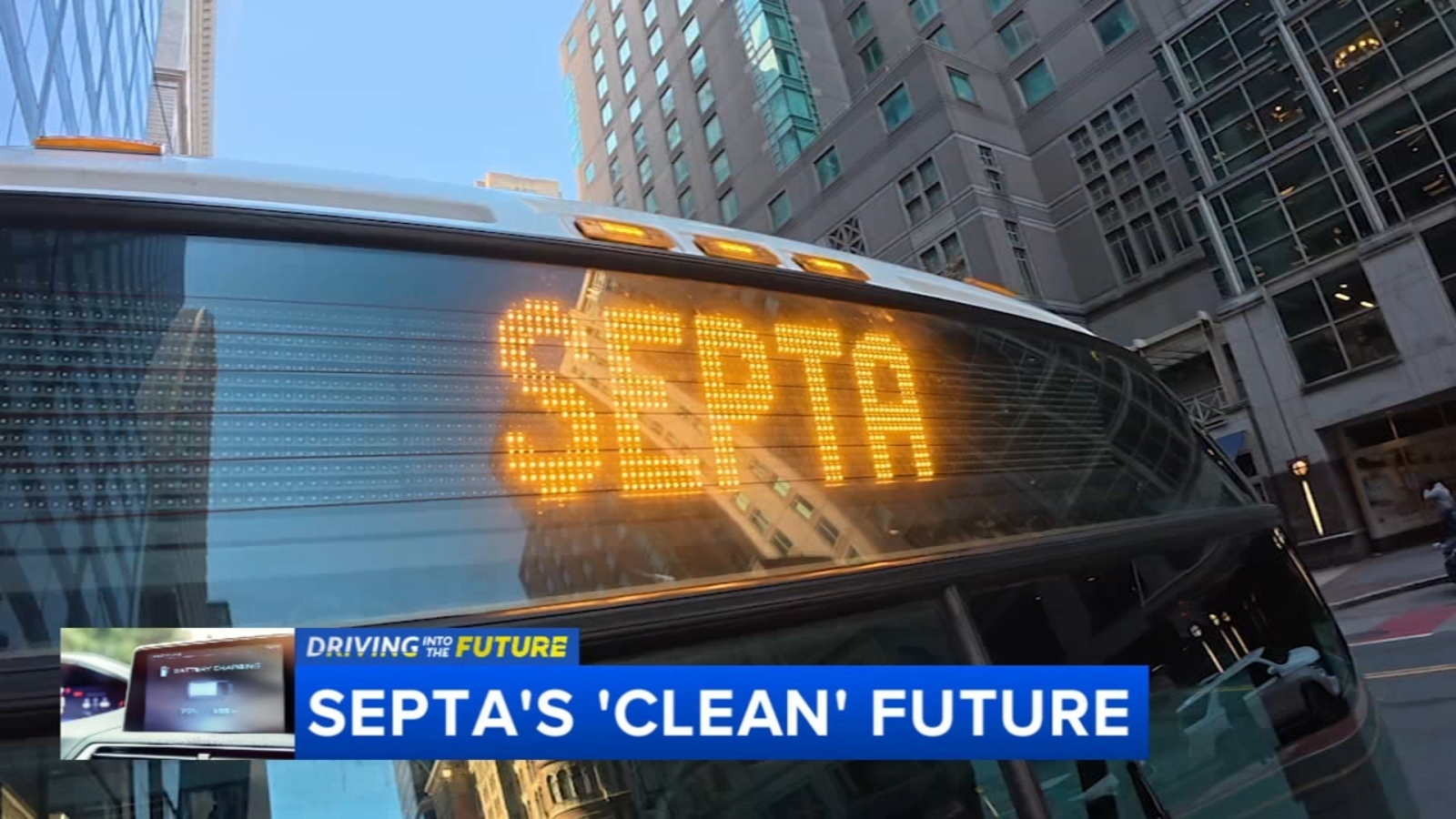
PHILADELPHIA (WPVI) — SEPTA is evaluating new technology as it looks ahead to the future of its bus fleet, years after beginning its transition away from diesel vehicles.
The transit agency started adopting hybrid buses in 2008 and retired its final diesel bus on Earth Day in 2024.
SEPTA now operates what it describes as the largest hybrid bus fleet in North America, but officials say the next phase of innovation is still uncertain.
“Where do you see the future of SEPTA’s fleet? I mean, many, many years from now, I do see it going in some kind of zero emission direction, but it’s all funding based,” said engineer Pat Breen, manager of new automotive vehicles at SEPTA.
Breen said the agency is currently testing hydrogen fuel cell buses after purchasing 10 and putting them into service last year. The vehicles run on routes 16 and 23 during morning hours.
“We’re just trying to get is just to get them on the road and get some operational data. Do they have any issues? Can they meet the routes? Can they you know pick up passengers just the same as anything else?” Breen said.
Anne Tyska, SEPTA’s manager of sustainability, said the agency aims to reach zero emissions by 2050.
While trains, trolleys and the subway system already operate without emissions, the bus fleet – roughly 1,200 vehicles – presents a larger challenge.
“We of course have to deal with operational challenges, funding challenges that come our way. We will get there. It might take us a little bit longer than we had hoped, but down the road we will have 100% zero emission technology,” Tyska said.
While SEPTA explores hydrogen fuel cells, electric buses remain the leading zero-emission option nationally.
California currently leads the transition, with a statewide mandate requiring all new buses to be electric by 2029.
Copyright © 2026 WPVI-TV. All Rights Reserved.