

July Auto Sales Simmer
July new-vehicle sales reflect the complicated economic dynamics that have roiled the industry since last year’s U.S. trade tariffs skewed the retail picture just as conditions stabilized from the pandemic.
Despite affordability pressures weighing on mass-market consumers, sales are forecast to rise nearly 1% year-over-year to about 1.2 million units for a seasonally adjusted annual rate of 13.8 million, JD Power and GlobalData project. The SAAR forecast is essentially flat from last July.
Even the relatively small sales increase is encouraging, since last July’s sales were buoyed by electric-vehicle shoppers locking in federal tax incentives before their autumn expiration.
This July’s sales have also been helped along by more generous incentives for non-EVs, according to the report. A year ago, automakers pulled back on incentives in anticipation of tariff hits to their bottom lines, JD Power said.
Despite more discounts, consumers are biting off big cost burdens to buy new.
Average new-vehicle loan rates eased very slightly this month – by an estimated seven basis points – to 6.5%, the lowest for July since 2022, according to JD Power. But average transaction prices are up 1% to $45,369 for an average monthly payment of $808, the highest on record for July.
JD Power pointed to eroded trade-in equity as a major culprit in the high payments, as many shoppers bought their trade-ins for peak pandemic-era prices. Twenty-nine percent of July trade-ins carried negative equity, up 1% year-over-year, the data provider reported.
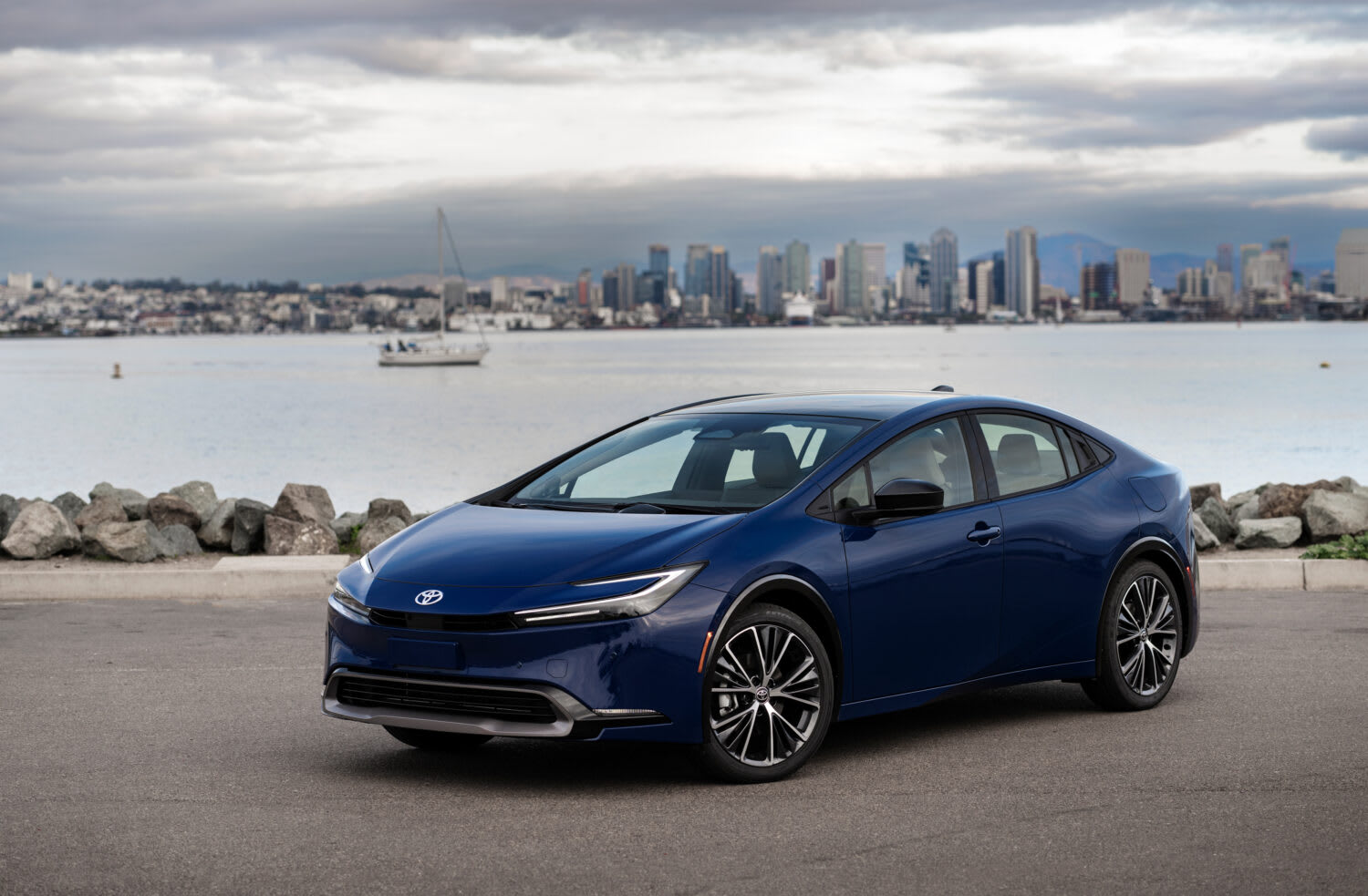
Many buyers, trying to save money in other ways, bought hybrids in the face of high gas prices, and automakers offered higher incentives on hybrid and gas-powered vehicle purchases as they cut discounts on purely electric models, according to the report. The hybrid share of retail sales is up about 3% to 16% share, according to the forecast.