

No Longer Worth the Price?
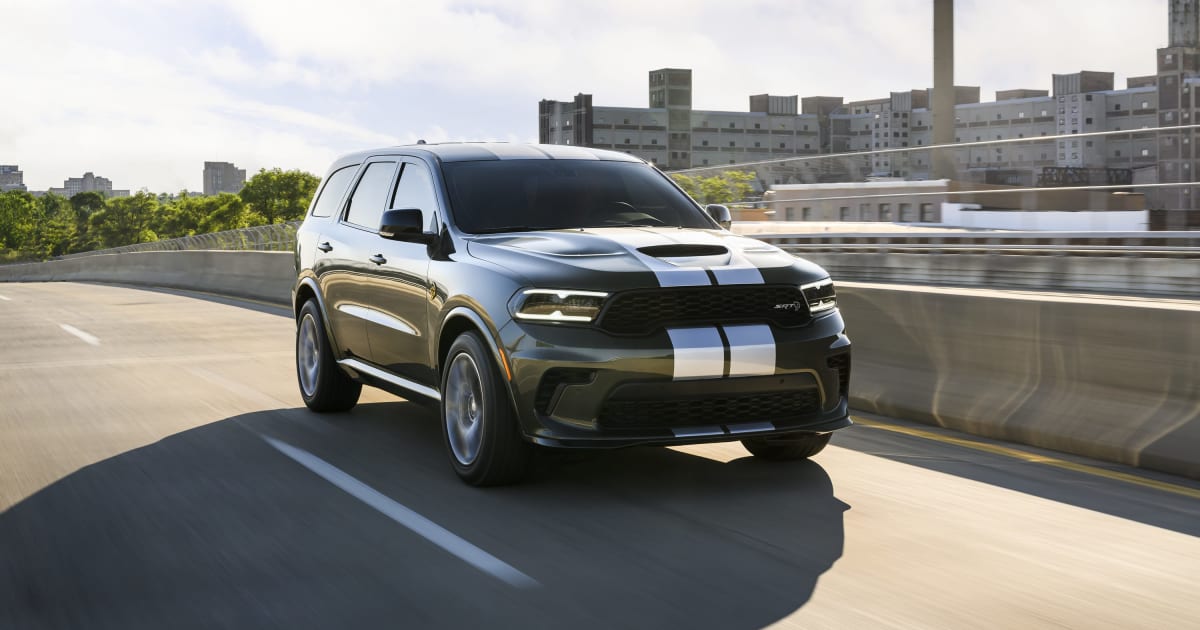
Luxury automotive brands are losing ground to mass-market players amid today’s consumer affordability crunch.
A JD Power study found a significant migration of former premium new-vehicle shoppers to less expensive lineups as mass-market brands have closed the amenities gap.
To arrive at the conclusion, the data provider combined information from multiple studies of its own with data compiled by consumer credit reporting agency TransUnion.
The research shows that the premium generations of consumers have paid for premium nameplates and their luxurious features is no longer worth it for many with recent years’ vehicle price inflation and mass-market brands’ catchup on quality. Younger and lower-income buyers are leading the exodus.
“For the better part of 100 years, premium automotive brands have relied on a familiar formula: distinctive styling, richer materials, advanced features and, perhaps most importantly, the prestige attached to an established luxury name,” JD Power said in its report.
“Along the way, the number of premium luxury models has expanded rapidly, offering more accessible models. Now there are clear signs that the time-tested formula is becoming timeworn.”
In addition to younger and budget-conscious consumers, the luxury defection is comprised of rural and suburban buyers, according to the report.
Mass-market brands have been able to capitalize on affordability challenges with their increasingly sophisticated models that include many of the high-tech, convenience and other features historically associated with luxury brands.
SUV buyers appear to be a significant part of the shift. In the first half of this year, JD Power found that 32% of consumers trading in midsize luxury SUVs bought mass-market models, a telling phenomenon because SUVs are the best-selling luxury segment.
Overall, the luxury share of new-vehicle sales during that timeframe – minus direct-to-consumer brands – hit its lowest level since 2020 at 13%, down about 1% year-over-year.
JD Power said electric-vehicle development helped hasten the shift as brands competed in the segment by introducing more high-tech features, while those same features started to give luxury brands problems as consumers often found them hard to set up and use.
“… premium status might increasingly depend on product execution rather than a collection of exclusive features,” JD Power said. “Buyers are judging how well the vehicle works, how comfortable it is to use and whether its technology improves the experience. Mainstream brands are proving increasingly capable in those areas, and this reduces the willingness of customers to pay more for reputation or heritage.”