

Vehicles of the future are tested in nature’s extremes
From the farthest reaches of the unforgiving Arctic to the heat of the Sahara, vehicle engineering is being put to the test for cars under development. At research and development hubs closer to home, massive wind tunnels and strategically created tracks push vehicles even further.
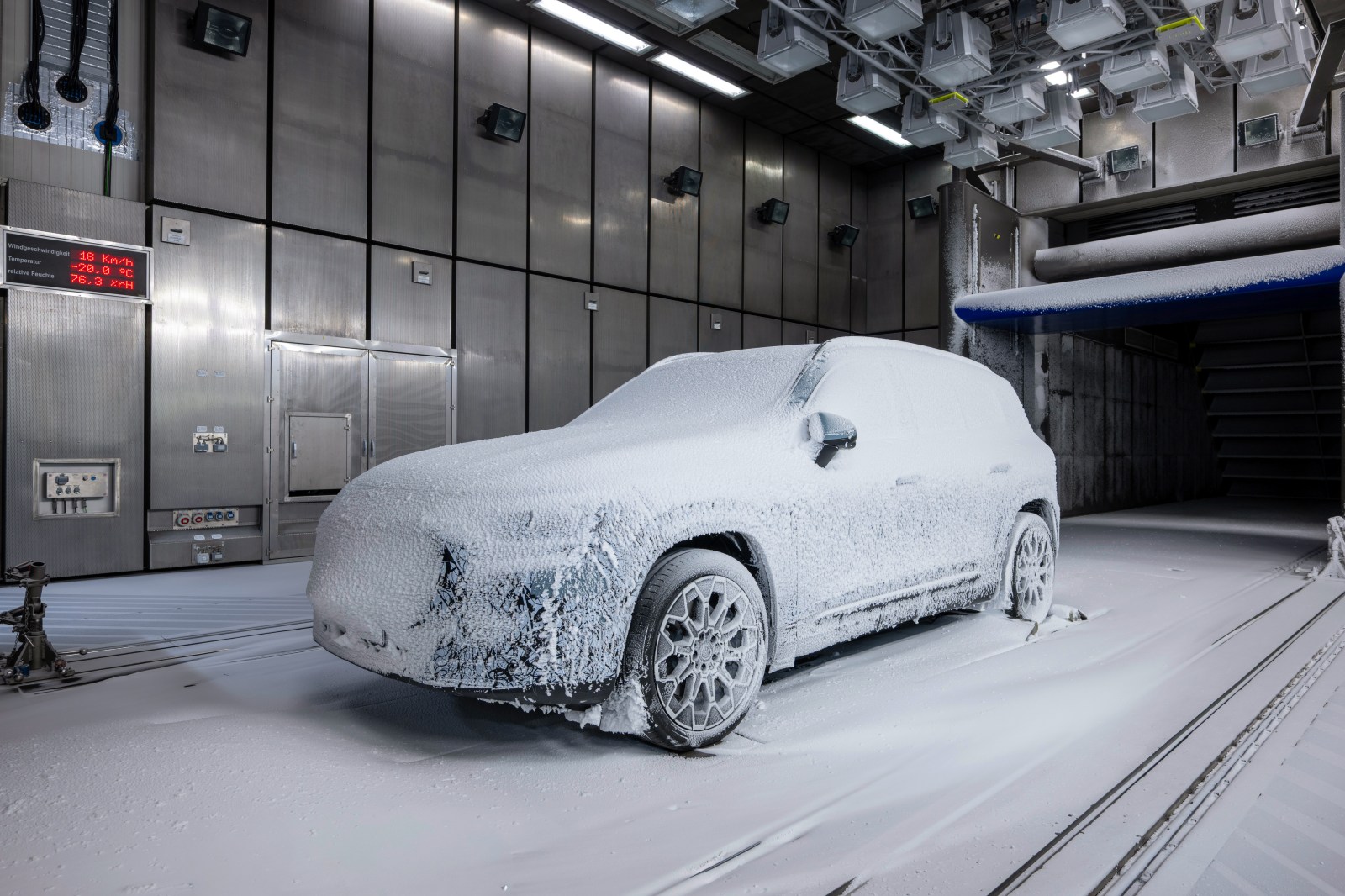
Testing the vehicles of tomorrow requires special scrutiny today. Teams of experts—hundreds, if not thousands, per automaker—put in long days and nights ensuring that aerodynamics, sound, power, ride, handling, lighting, in-car technology and comfort are optimized.
The intense scrutiny continues even after a new car has debuted, only ending shortly before production starts, with models receiving final, over-the-air software updates as they leave the factory, and sometimes while on the dealership floor.
Each winter, teams of automakers and their key suppliers descend on northern Sweden, Norway and Finland, staying at mid-level and lower accommodations, eating reindeer for multiple meals and working though the minimal daylight hours to test the mechanics, drive dynamics and technology of their forthcoming offerings.
“Good functionality in cold, snowy and icy conditions comes naturally to us. We are a Swedish brand and take pride in developing the best winter characteristics possible,” John Lundegren, section manager of vehicle attributes at Volvo Cars, told Newsweek.
“In doing so, we have also found that these qualities offer benefits not only in Arctic environments but wherever and whenever there are slippery surfaces or exposure to other types of contamination, such as water or mud. This gives us the confidence to continue this work and deliver on our brand promises,” he said.
But heat offers its own challenges. Summertime heat in the world’s most unforgiving desert climates is the obstacle du jour for the hottest months of the year.
The extreme cold and hot conditions are especially important as vehicle battery technology is pushed to the limits with fresh chemistries, cell design and powertrain demands.
Changes in temperature can greatly impact battery performance. Testing helps companies develop hardware and software solutions to prevent variation in performance under different conditions that were commonplace even five years ago.
“We test our cars in all types of environments around the world. This global approach ensures that Volvo vehicles perform reliably whether it’s in extreme heat, high humidity or freezing cold,” Lundegren said.
See the World’s Most Anticipated New Vehicles 2026 list and read more about new vehicle trends for the coming year and Newsweek‘s interview with General Motors President Mark Reuss.