

Future EVs: Every Electric Vehicle Coming Soon
Electric cars are the future, and each year we’ve seen automakers add more EVs to their lineups. Everyone is working on electric vehicles, from well-established existing manufacturers to new names such as Lucid, Slate, and Rivian. We’ve compiled a list of every electric vehicle, from concept to production, that isn’t available yet but will be soon.
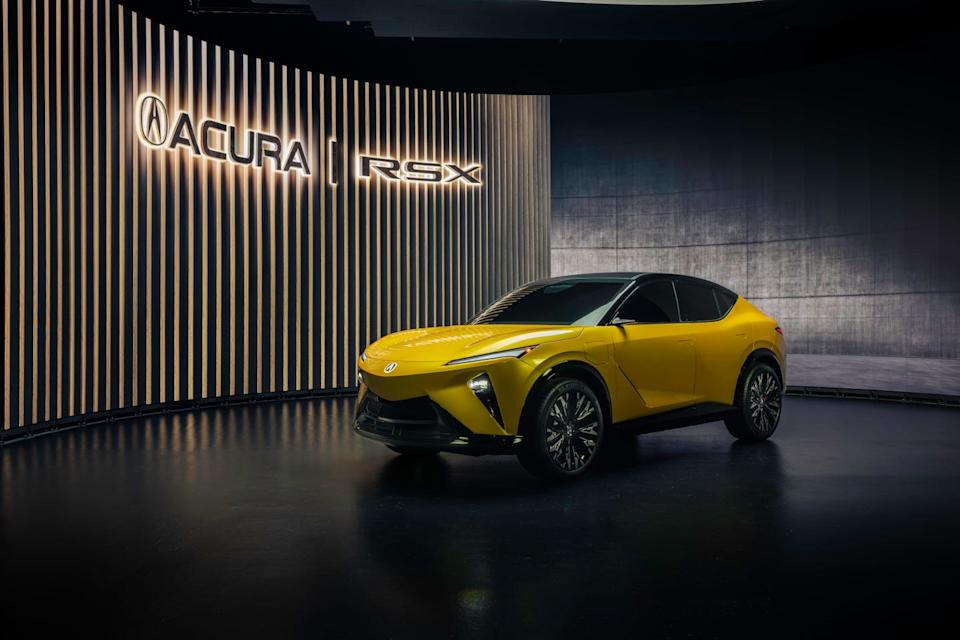
Acura RSX (Expected: Second Half of 2026)
Acura’s first EV, the ZDX, is built on the bones of the Chevrolet Blazer EV, but Acura’s next electric crossover will roll on a new electric architecture developed by parent company Honda. The new SUV will revive the RSX name from the early 2000s and wear a sloping roofline for a coupe-like profile, previewed by a sharply styled RSX prototype. The RSX’s sporty bodywork will be paired with a potent dual-motor, all-wheel-drive powertrain. The RSX’s platform will be shared with Honda’s 0-series EVs and the RSX will also be the first vehicle to use Honda’s new operating system, ASIMO OS. The SUV will be built at Honda’s new facility in Ohio and will launch in the second half of 2026.
MIRO – Car and Driver
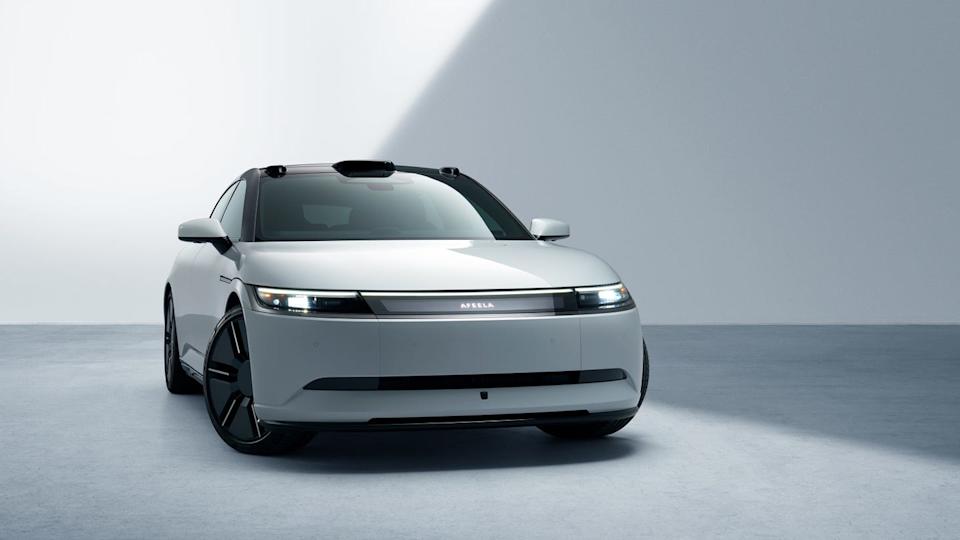
Afeela 1 (Expected: Late 2026)
Honda has partnered up with Sony—yes, the same folks responsible for the PlayStation—for a new brand called Afeela. Its first model, the not-so-creatively named Afeela 1, is set to arrive in 2026. The sedan’s focus is technology, packing an array of screens across the dashboard and a suite of 40 sensors that feed a Level 2+ driver assistance system. The Afeela 1 will come with all-wheel-drive thanks to a pair of 241-hp electric motors and Afeela is aiming for a range of 300 miles. Sales will initially be restricted to California and the only model offered in 2026 will be the $102,900 Signature trim, with the $89,900 Origin trim arriving in 2027.
Afeela
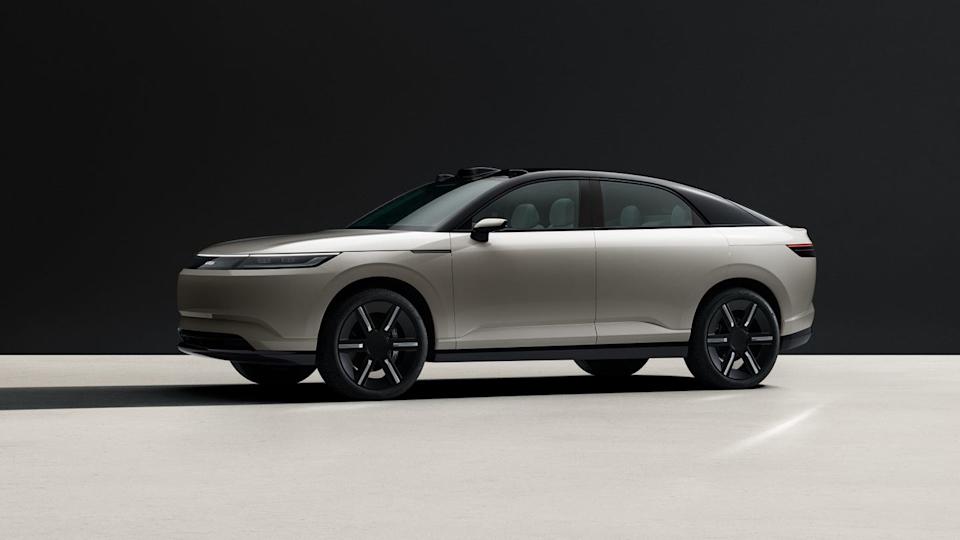
Afeela SUV (Expected: 2028)
Afeela plans to follow up its streamlined sedan with an SUV, revealing a prototype at CES 2026. The SUV looks essentially identical to the Afeela 1 sedan, albeit with a taller ride height. There are currently no technical details on this SUV, or even an official name, but the Sony-Honda joint venture plans to launch its second EV in 2028.
Sony Honda Mobility
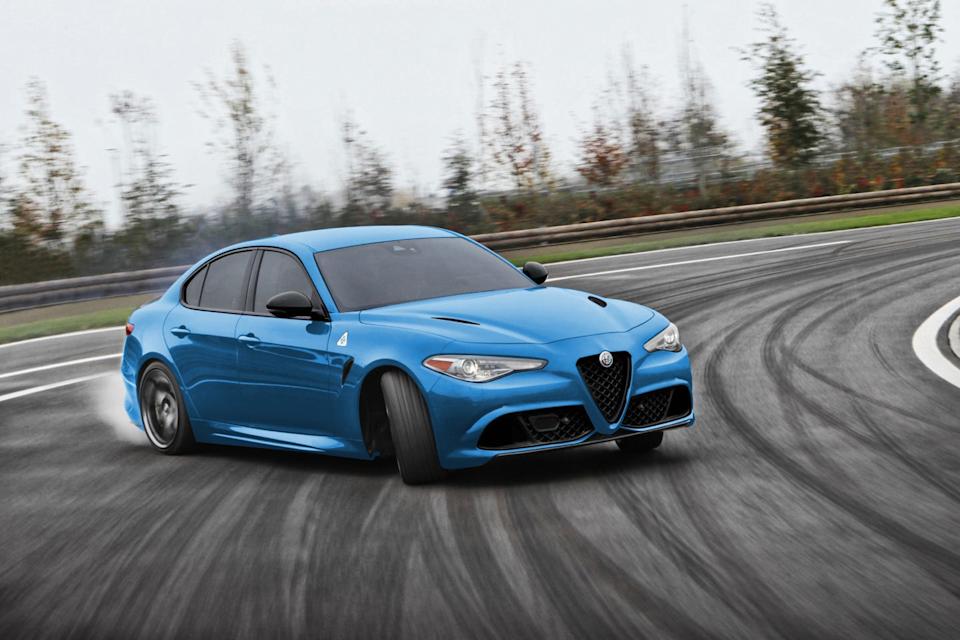
Alfa Romeo Giulia EV (Expected: 2028)
Alfa Romeo has confirmed the gas-powered Giulia (seen above) will be revamped in the coming years with an electric powertrain. We expect the base version will make around 350 horsepower, while the Veloce will produce closer to 800 horsepower. The top-of-the-line Giulia will continue to carry the historic Quadrifoglio name and should make upward of 1000 horsepower. The new Giulia will be produced on the Stellantis Group’s STLA Large platform, with 800-volt, ultra-rapid charging and a range of up to 500 miles. Recent rumors suggest the Giulia, like the Dodge Charger, will also be offered with combustion engines. —Jack Fitzgerald
Alfa Romeo
Advertisement
Alfa Romeo Stelvio EV (Expected: 2027)
Before the next-generation Giulia arrives, Alfa Romeo will launch a new Stelvio. Like Alfa’s upcoming sedan, the Stelvio will ride on the STLA Large platform and come with both electric and hybrid powertrains. The electric SUV has been delayed, however, and isn’t likely to arrive in the United States until 2027.
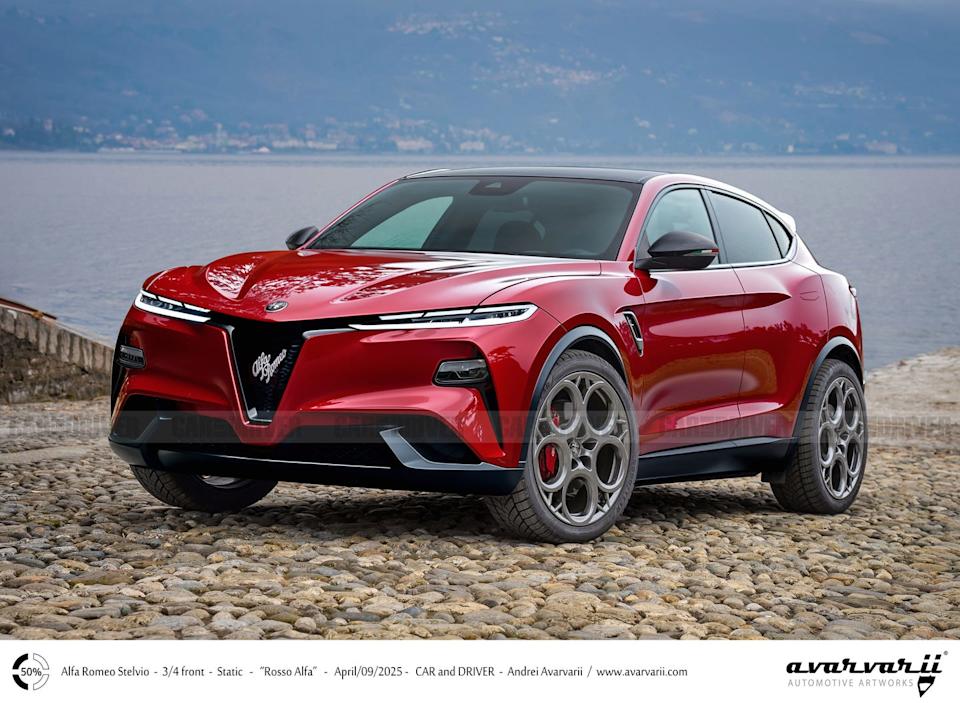
Illustration by Avarvarii – Car and Driver
Alpine EVs (Expected: 2030)
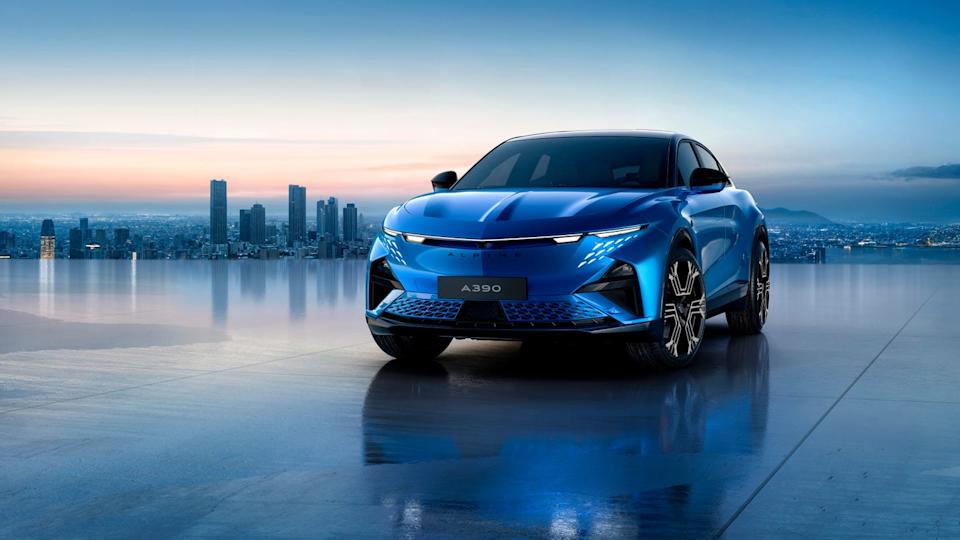
Alpine, the French subsidiary of Renault known for lightweight sports cars, plans to enter the U.S. market later this decade. The charge was originally set to be spearheaded by the compact A390, a slinky fastback crossover with a 470-hp tri-motor powertrain, but the plans have changed. The U.S. launch of Alpine’s EVs was originally set for 2027, but the introduction of high tariffs on imported cars by the Trump administration has caused Alpine to delay its plans. If Alpine does enter the U.S. market, the company now says it will do so with the upcoming A110 electric sports car and a larger SUV.
Alpine
Audi TT EV (Expected: 2027)
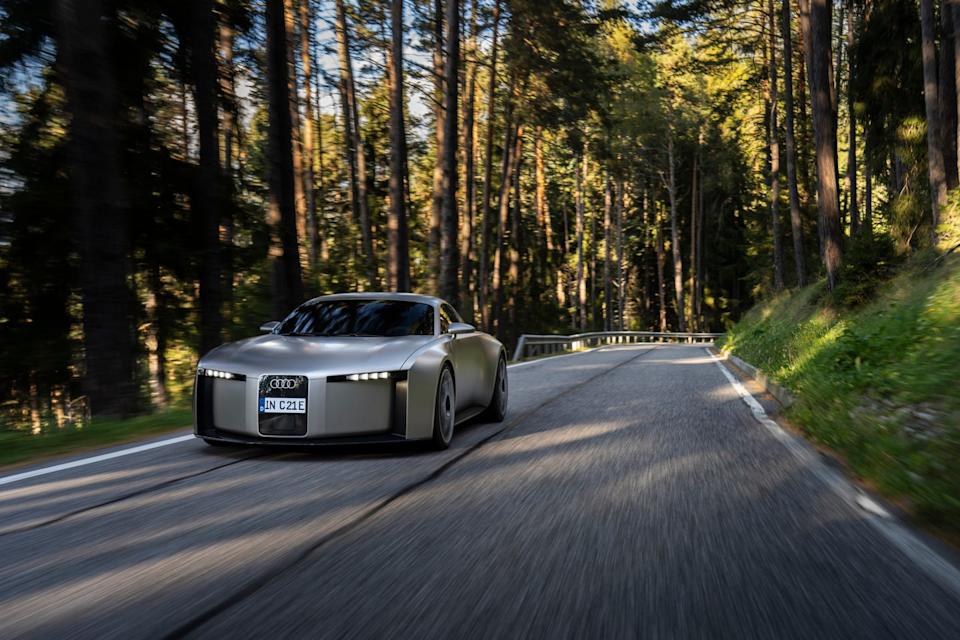
Audi plans to launch a new electric sports car in 2027, previewed by the radical Concept C. Audi says the new sports car, which is roughly the same length as a Porsche 911, will sit somewhere between the TT and R8 in terms of performance and will usher in a new design language. Inside, the Concept C shows Audi embracing a return to physical controls, and the concept even features a screen that can completely tuck away when not in use. Details on the powertrain remain sparse, but the Concept C was designed as rear-wheel drive, and we expect it to share a platform with the upcoming Porsche 718 EV. Audi has confirmed that the production car will also offer a dual-motor, all-wheel-drive variant as well, and the RWD concept is said to weigh 3726 pounds.
Audi
Bentley EV SUV (Expected: 2027)
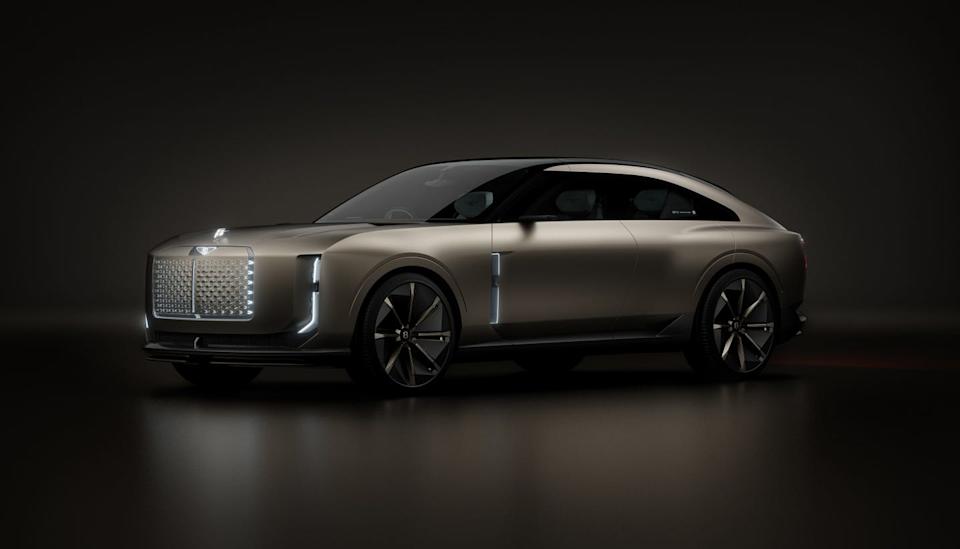
Bentley’s first EV will be revealed in 2026, and the luxury automaker is calling it a “luxury urban SUV” that will slot below the gas-powered Bentayga in the luxury automaker’s lineup. Although Bentley calls the EV “compact,” the new model will still carry imposing proportions, measuring up to 197 inches long. A concept car called the EXP 15 previews the Bentley EV’s styling, with a bold, squared-off front end, a long hood, and a decadent cabin. The electric SUV may use the same platform as the upcoming Porsche Cayenne EV, and sales of the Bentley EV should kick off for the 2027 model year.
Bentley
Advertisement
Advertisement
BMW i3 (Expected: 2027)
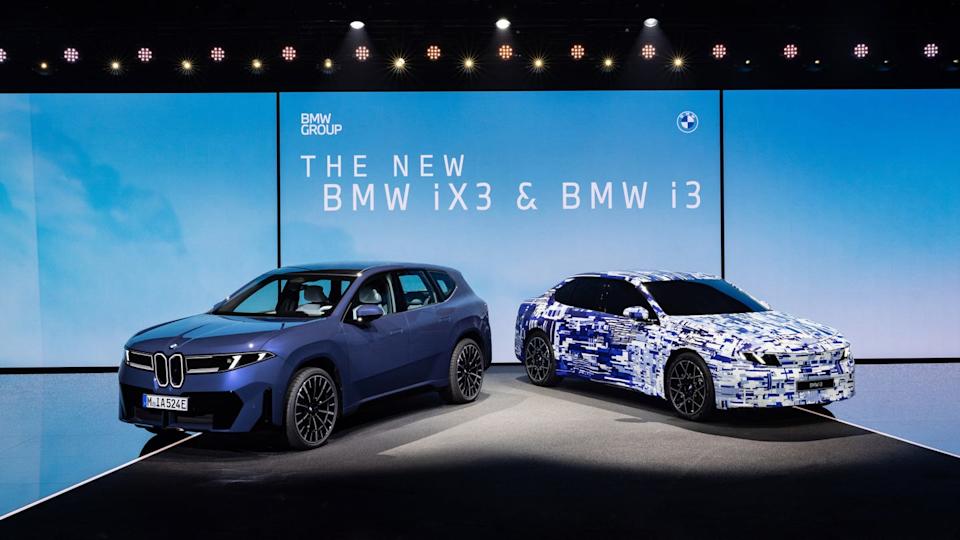
BMW will reveal an electric version of the iconic long-running BMW 3-Series in 2026 called the i3, which was originally previewed by the Neue Klasse concept revealed in 2023. The i3 will sport a new design language with a funky evolution of the classic kidney grille. We expect the sedan to share much of its powertrain with the iX3 SUV, which means over 400 hp and around 400 miles of range. The i3 should go on sale in the U.S. in 2027 and will be sold alongside the gas-powered 3-series for the foreseeable future.
BMW
BMW iM3 (Expected: 2027)
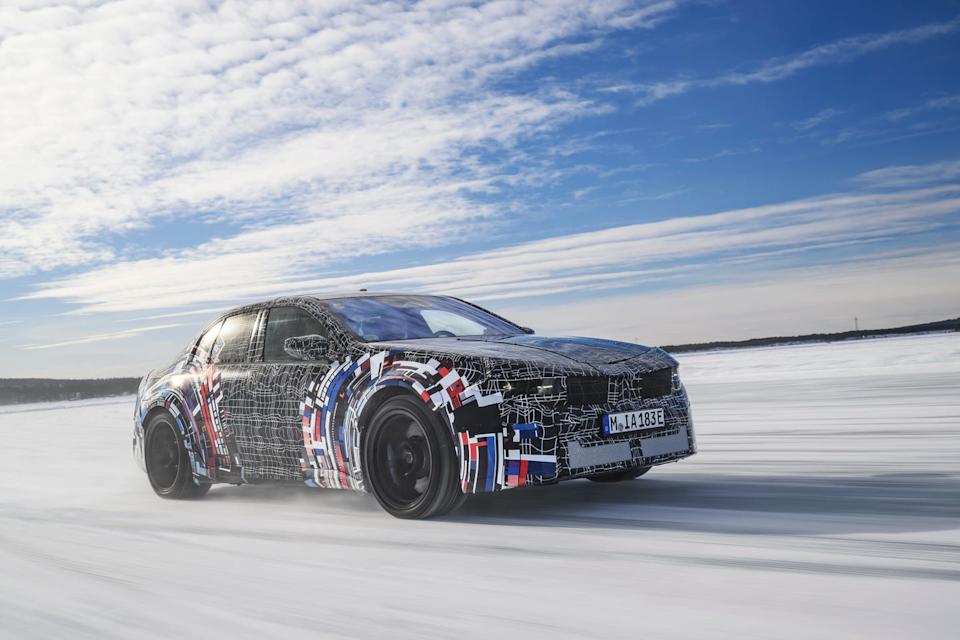
The upcoming BMW i3 will also spawn the first all-electric M3. The iM3, as we expect it to be called, will ride on BMW’s next-generation EV platform featuring an 800-volt electrical architecture. A quad-motor powertrain, with two electric motors on each axle, should churn out well over 600 horsepower and ensure that the iM3 is appropriately rapid. The front motors can also be decoupled, and while BMW says this is to increase highway range, we’re already dreaming of getting sideways. BMW is also planning faux gearshifts and engine noises to help make the iM3 more engaging, with the company sampling everything from the E92 M3’s V-8 to the E64 M6’s 5.0-liter V-10.
BMW
BMW iX3 (Expected: Summer 2026)
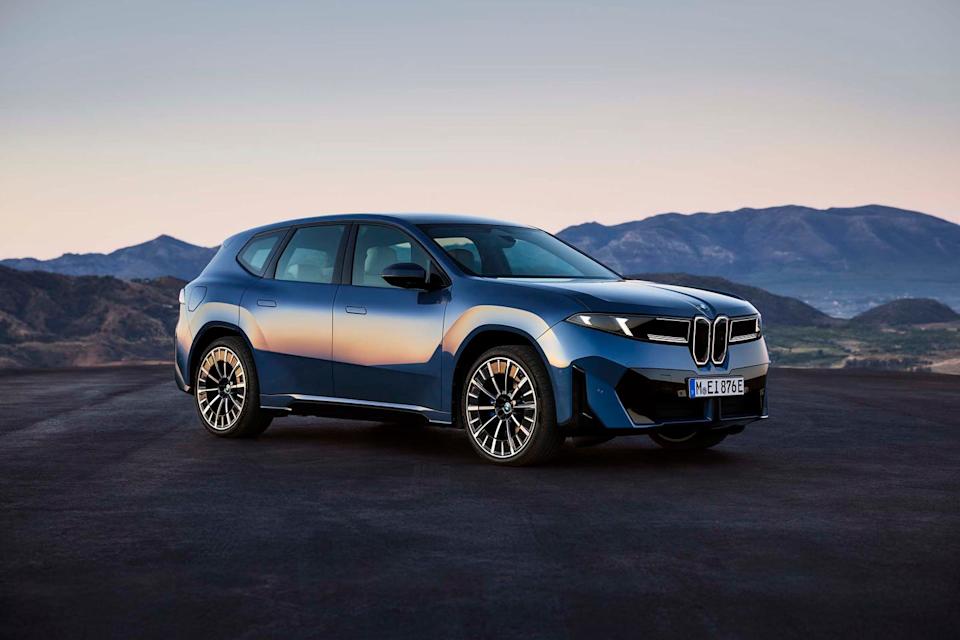
The BMW iX3 arrives as an electric counterpart to the brand’s popular X3 SUV and ushers in an unorthodox new design language, with a thinner interpretation of the iconic “kidney” grille that harkens back to classics like the 2002. The iX3 will arrive in the U.S. with a dual-motor variant producing 463 hp, enough for the SUV to scoot to 62 mph in 4.9 seconds. A 109-kWh battery is expected to provide close to 400 miles of range and will be able to charge at up to 400 kilowatts. Inside, the iX3 debuts a new dashboard setup, where a thin darkened strip along the bottom of the windshield serves as a 43-inch, full-width head-up display that replaces a conventional gauge cluster. A 17.9-inch touchscreen handles all of the main infotainment duties. Sales will start in the summer of 2026.
BMW
BMW iX4 (Expected: 2027)
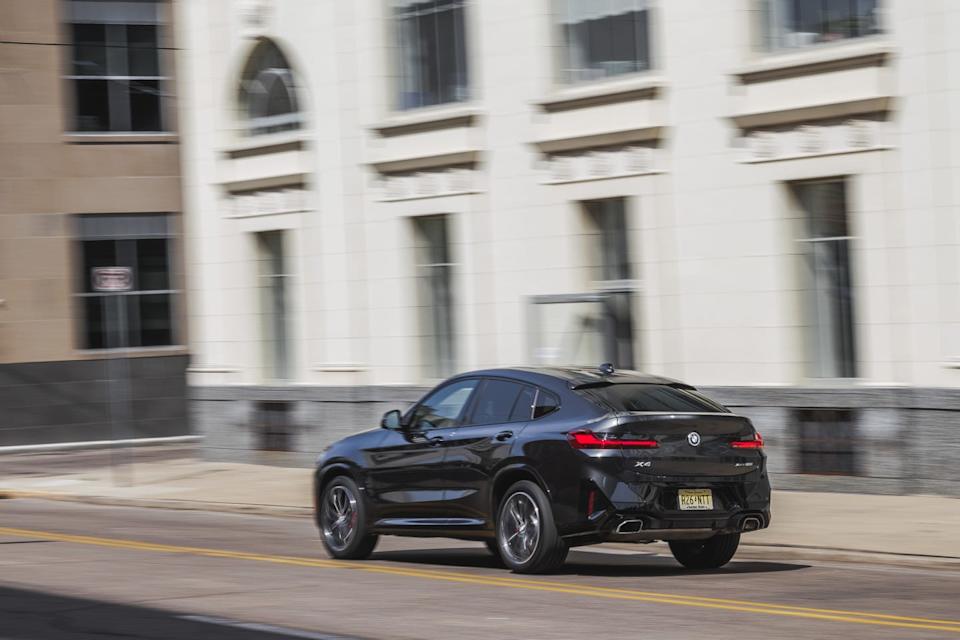
BMW is working on an electric replacement for the X4, the sleeker alternative to the X3 that features a sloping roofline. Expected to be called the iX4, the new “coupe-SUV” will come exclusively with electric powertrains and will be closely related to the iX3 that goes on sale in 2026. Like the iX3, the iX4 is also expected to spawn an M-branded performance variant. Production of the iX4 is rumored to begin in November 2026, and U.S. sales should kick off in 2027.
Michael Simari – Car and Driver
Advertisement
Advertisement
BMW iX5 (Expected: 2027)
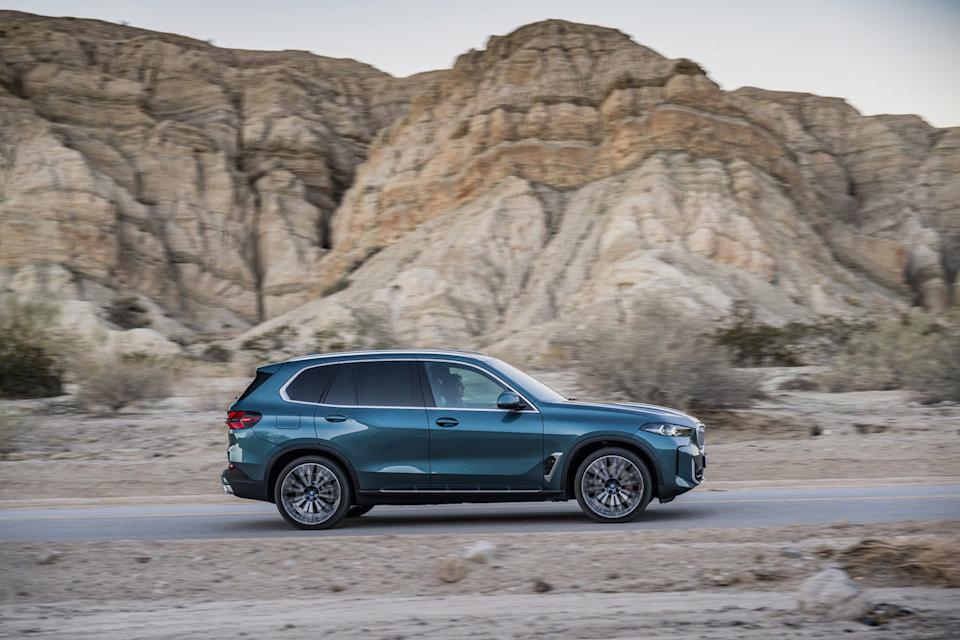
BMW will continue electrifying its lineup with the iX5, an electric counterpart to the mid-size X5 SUV. Instead of using the Neue Klasse platform underpinning the iX3, the iX5 will use an adaptation of BMW’s CLAR platform—currently found beneath the iX electric SUV—which will allow an updated gas-powered X5 to coexist with its electric sibling. The iX5 will feature a next-generation battery with better energy density. The electric SUV should be revealed in late 2026 and go on sale in the U.S. in 2027. BMW is also planning a version with a hydrogen fuel-cell powertrain—co-developed with Toyota—that may become a reality before the end of the decade.
BMW
Caterham Project V (Expected: 2027)
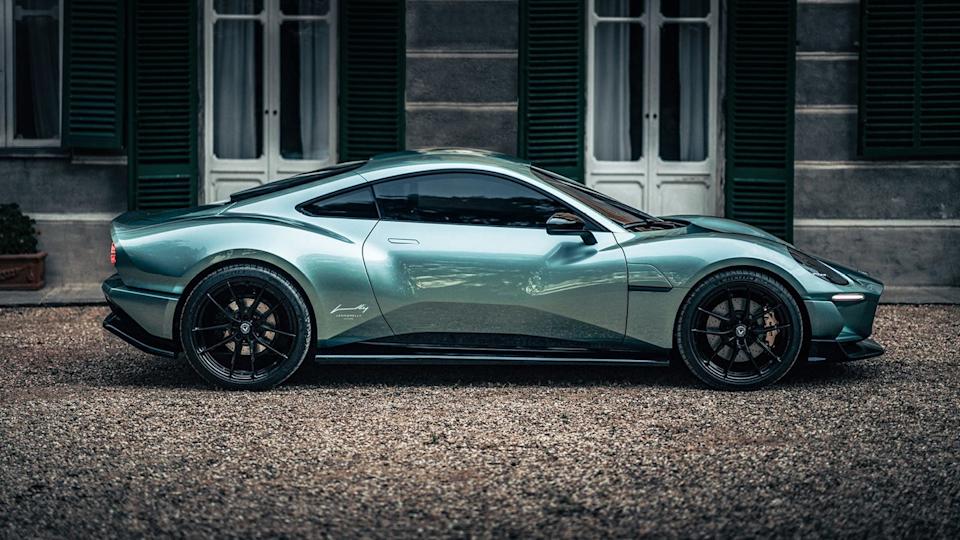
Known for bare-bones sports cars, Caterham is looking to expand its lineup with an electric coupe that will enter production in 2027. Caterham aims to enter the U.S. market with the Project V, as it’s currently known, which will pack a 268-hp electric motor sourced from Yamaha on the rear axle. The Project V will also sport a unique split battery pack, with a roughly 27 kWh battery sitting between the occupants’ legs and another beneath the rear seat. Caterham is aiming for a zero-to-62-mph time of under 4.5 seconds and a price tag of around $135,000.
Caterham
Ferrari Luce (Expected: 2026)
Ferrari is readying its first fully electric car, which will debut in early 2026. Spy shots show a low-riding but crossover-like profile, and Ferrari has confirmed that it will have four doors, a 116.5-inch wheelbase (slightly shorter than the Purosangue), and will weigh a bit less than 5100 pounds. The Ferrari Luce will likely be incredibly expensive and immensely quick, with a quad-motor powertrain producing around 1000 horsepower, delivering a claimed zero-to-62-mph time of 2.5 seconds. Ferrari says it will top out at 193 mph. The Luce will have an 800-volt architecture and a 122-kWh battery that can charge at up to 350 kilowatts. Ferrari claims over 330 miles of range on the European WLTP test, which should translate to around 280 miles in the U.S. Ferrari has also shown details from the interior, which has a clean, modern look crafted by former Apple designer Jony Ive. More details will continue to trickle out ahead of the full reveal in 2026.
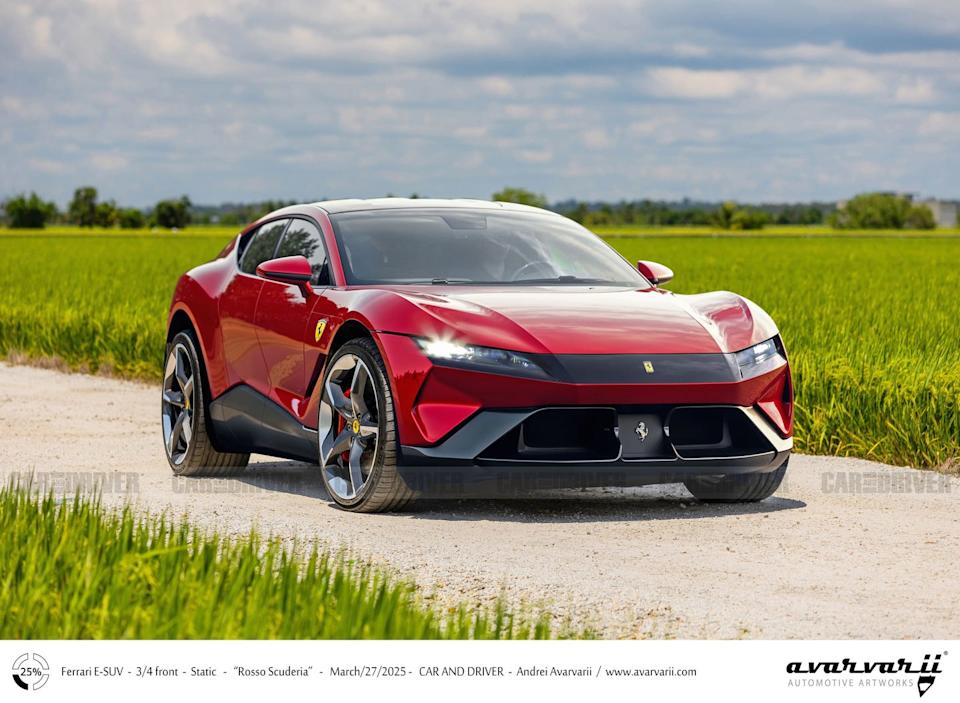
Illustration by Avarvarii – Car and Driver
Fiat Topolino (Expected: 2026)
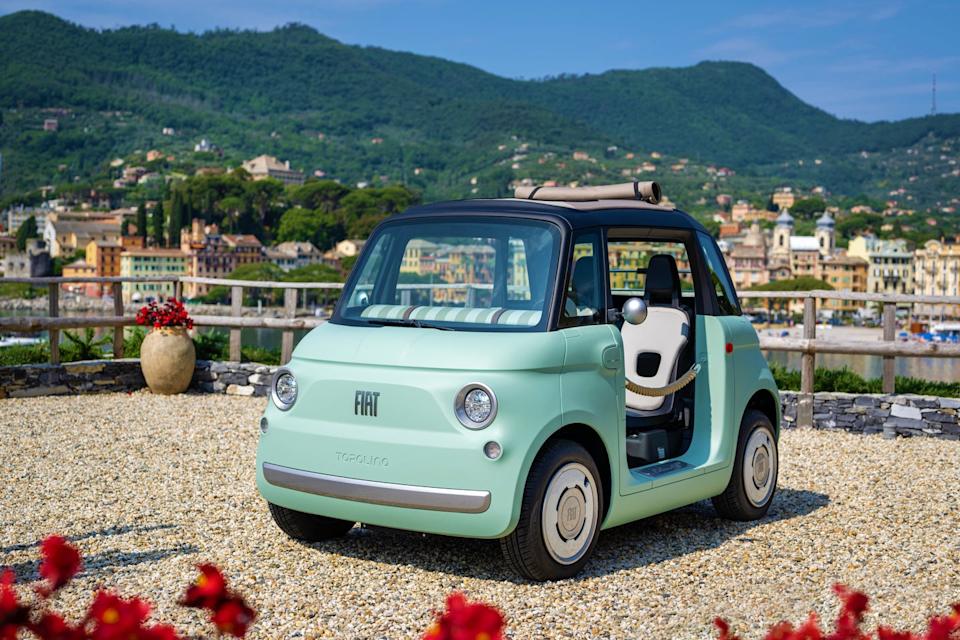
Fiat will expand its lineup of diminutive EVs by going even smaller than the 500e, with Fiat’s CEO revealing that it plans to bring the Topolino to the U.S. market. The Topolino measures less than 100 inches long, has just eight horsepower, and a top speed of only 28 mph. The 5.5-kWh battery provides just 47 miles of claimed range, and the Topolino isn’t even considered a car in Europe, where it is classified as a quadricycle. We expect it to be sold under the Low Speed/Neighborhood Electric Vehicle (LSEV/NEV) classification, and more details on Fiat’s plans should emerge in 2026.
Fiat
Advertisement
Advertisement
Ford Mid-Size Truck (Expected: 2027)
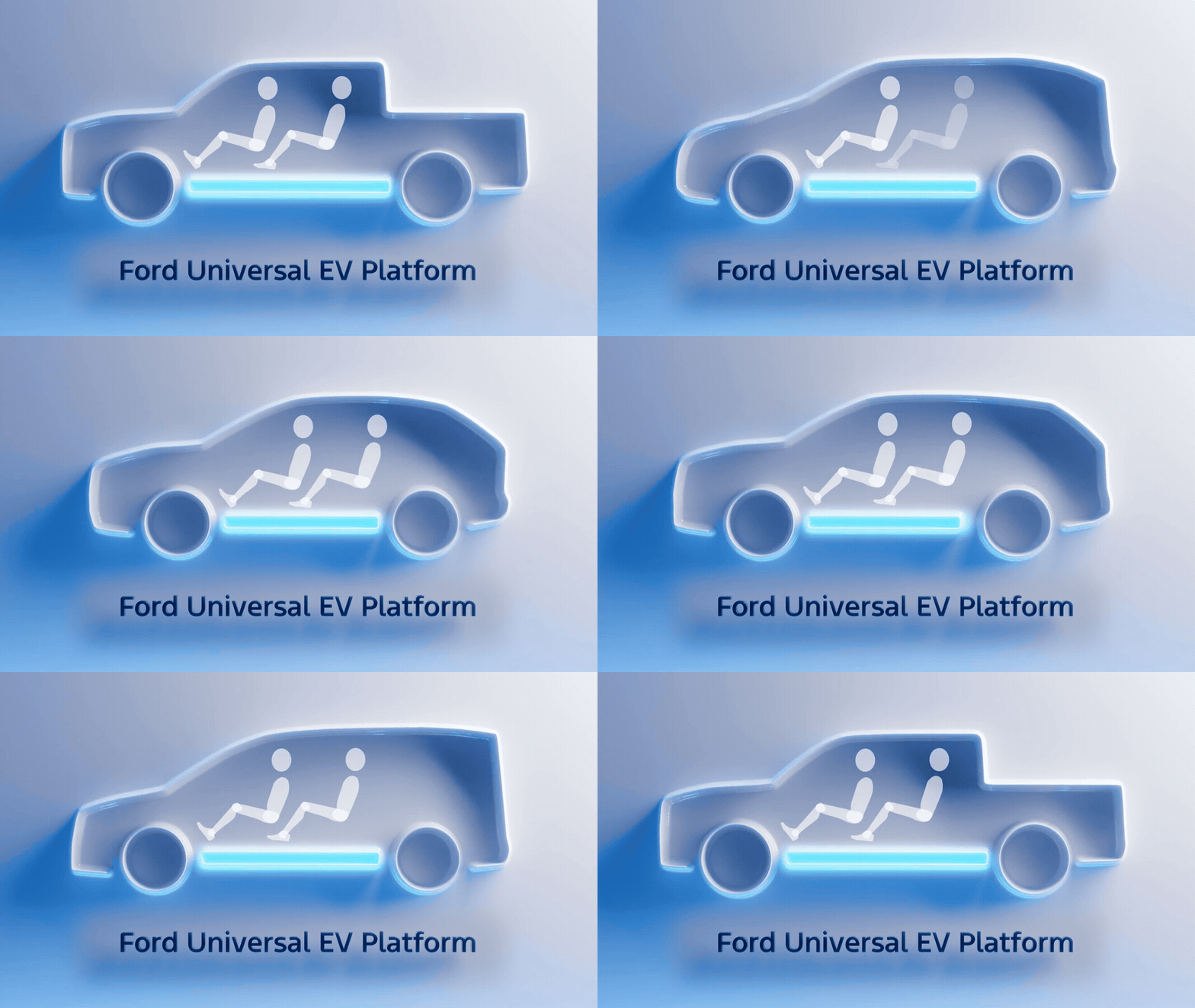
Ford announced plans for a new Universal EV platform that will spawn a range of vehicles, starting with a mid-size pickup truck. While Ford says the truck’s overall footprint will be closer to that of the compact Maverick, the company claims the interior space will be on par with the Toyota RAV4. Most details are still secret, but Ford did say the platform will feature a 400-volt electrical architecture and lithium-iron-phosphate batteries to keep costs down, although this could lead to less range and slower charging speeds than its competitors. Ford is also promising rapid acceleration and a rear-wheel-drive setup, although we expect all-wheel drive to also be available. Ford aims to sell the truck with a starting price of around $30,000, with production set to begin in Kentucky in 2027.
Ford
Genesis GV60 Magma (Expected: 2026)
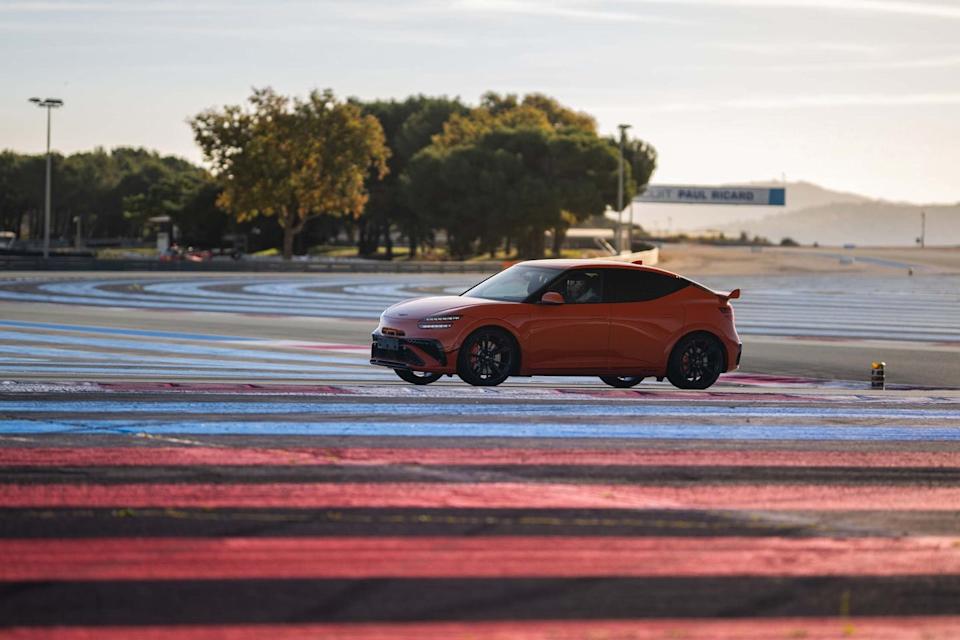
Genesis has cooked up a new performance subbrand, Magma, to take on stalwarts like BMW M and Mercedes-AMG, and the electric GV60 Magma is its first fighter to enter the ring. Closely related to the Hyundai Ioniq 5 N and Kia EV6 GT, the GV60 Magma produces a maximum of 641 hp and 583 pound-feet of torque in 15-second bursts thanks to a boost mode. The rest of the time, output is still an impressive 601 hp and 546 pound-feet of torque, and the Magma also gains retuned adaptive dampers and better brakes. The GV60 Magma is set to arrive in the United States at some point in 2026.
Genesis
Genesis GV90 (Expected: 2026)
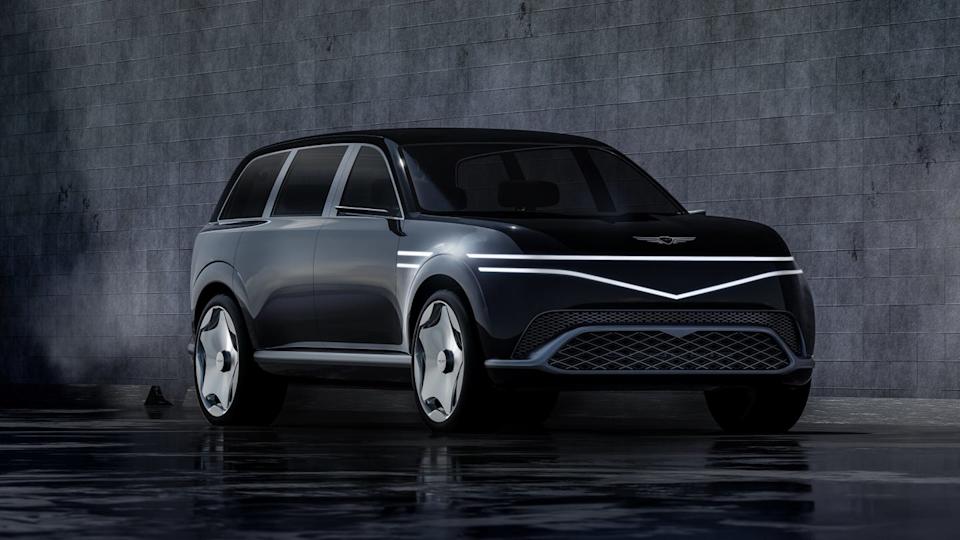
Rumors of Genesis’s electric flagship SUV were effectively confirmed when the automaker revealed the opulent Neolun concept ahead of the 2024 New York auto show. Expected to use the name GV90, the large SUV will share its underpinnings with the Kia EV9 and the upcoming production version of the Hyundai Ioniq 7. The GV90 should eke out around 250 miles of range and produce roughly 500 horsepower from a pair of electric motors. But the real focus will be inside, and if the purple quilted leather and ornate trim of the Neolun concept is any indication, the cabin is going to be a relaxing and luscious place to be.
Genesis
Honda 0 Saloon (Expected: 2027)
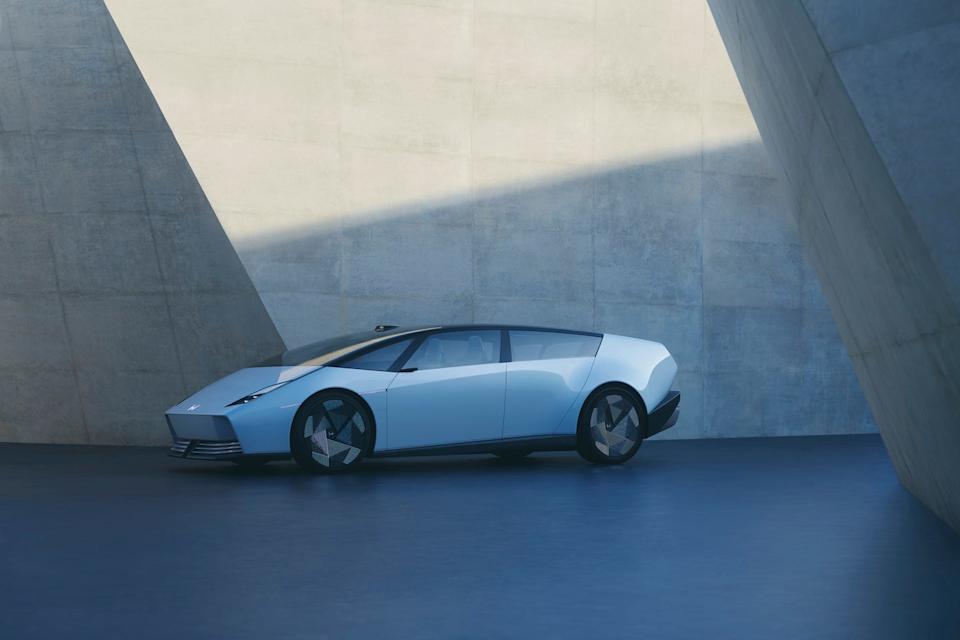
After partnering with GM on the Prologue, Honda is preparing its own electric platform for a new EV due in 2026. Previewed by the 0 Saloon prototype, the EV has a futuristic, torpedo-like silhouette, and Honda says the sleek profile will reach production, with a roofline two inches lower than the current Accord. We recently drove a prototype of the 0 Series model. Honda is targeting a range of 300 miles and suggested that the 0 Series will come with an array of rear- and all-wheel-drive setups. The platform will pack a new high-density battery that the automaker claims will recharge from 15 to 80 percent in 10 to 15 minutes and is supposed to be more resistant to degradation, with Honda aiming for the capacity to decline by only 10 percent over 10 years.
Honda
Advertisement
Advertisement
Honda 0 SUV (Expected: Late 2026)
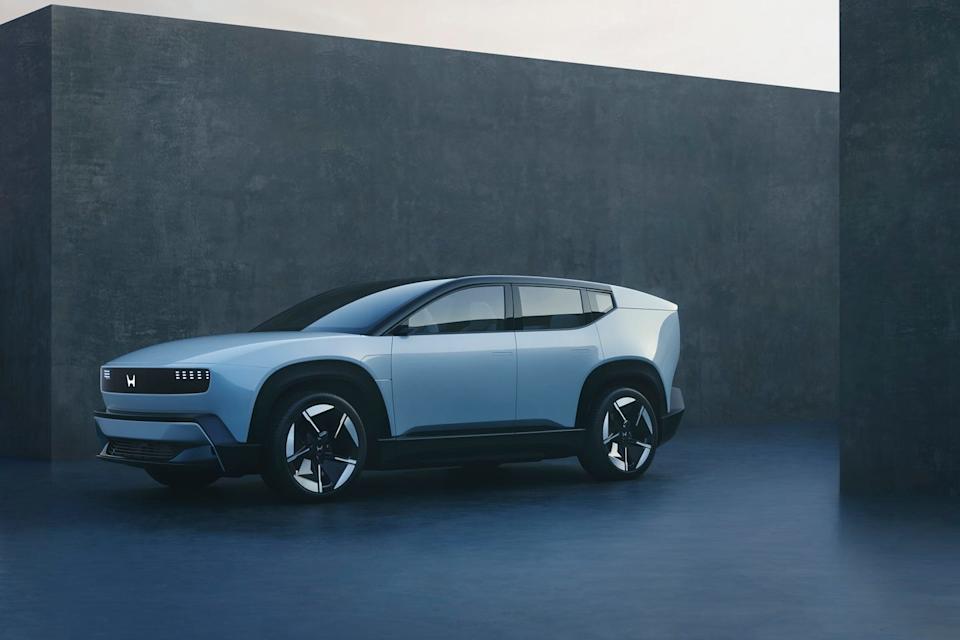
Honda’s 0-series EVs based on its new electric platform will kick off with the 0 SUV, shown here in prototype form, which is due to go on sale starting in the first half of 2026. Not many technical details have been revealed, but the 0 SUV should be able to travel around 300 miles on a charge and will pack a new high-density battery that should allow for quick recharging. Honda has shown off its next-generation electric motors in both 241-hp and 67-hp form, so we expect some combination of these motors to supply all-wheel drive. Honda’s 0-series models will also debut a new operating system called ASIMO OS.
Honda
Hyundai Ioniq 6 N (Expected: 2026)
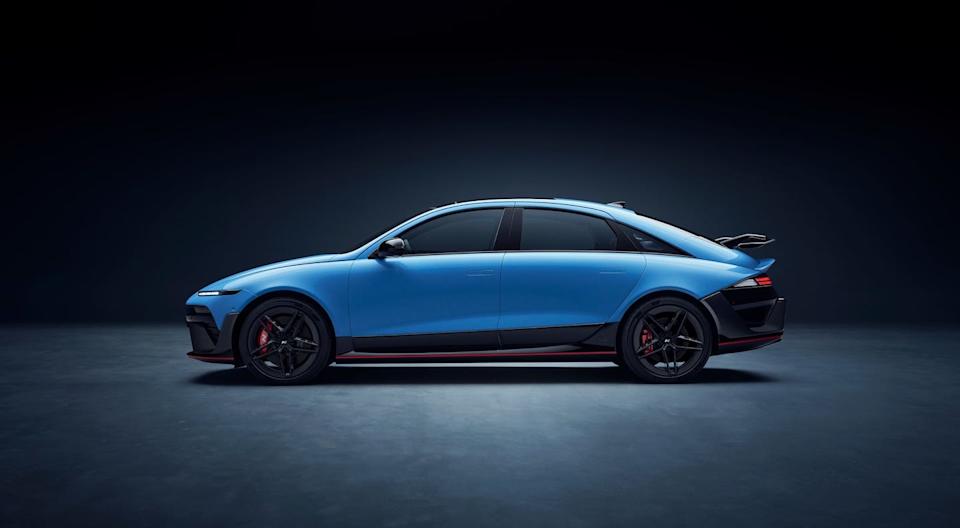
Hyundai is adding a high-performance version of its sleek Ioniq 6 sedan for the 2026 model year, with the Ioniq 6 N packing the same potent powertrain as its Ioniq 5 N sibling. That means a dual-motor all-wheel-drive setup that produces 601 hp, but has a boost function that ups the ante to 641 hp for 10 seconds. The Ioniq 6 N will rip to 60 mph in a claimed 3.2 seconds. Like the Ioniq 5 N, the sport sedan can simulate engine noise and gearshifts. Visually, the Ioniq 6 N rocks a swan-neck rear wing, wider fenders, and a more aggressive front splitter. The Ioniq 6 N is expected to go on sale in 2026 with a starting price of around $60,000.
Hyundai
Hyundai Electric Van (Expected: 2028)
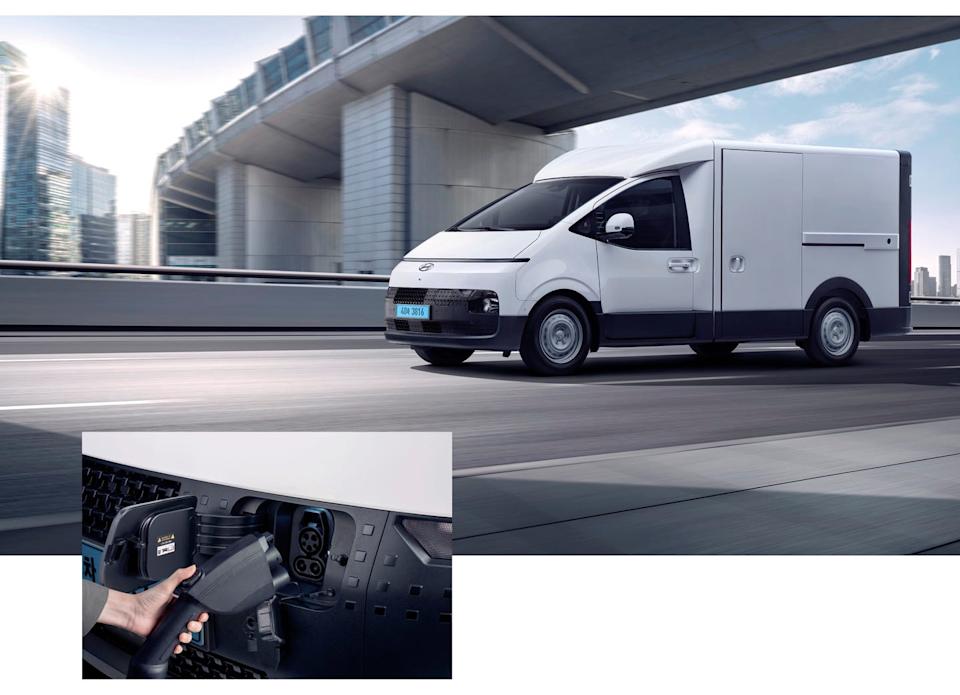
Hyundai and General Motors recently announced a partnership that will birth several new vehicles, and while most of these products are focused on the South American market, the two automotive giants will team up for a new electric van for the United States. The van will be built in the U.S. starting in 2028, and both Hyundai and Chevy are expected to offer their own versions of the van, sharing a platform but sporting unique interior and exterior designs. Most details should come out as the production date nears. (The Hyundai ST1, an electric van sold overseas, is pictured here.)
Hyundai
Jaguar EV (Expected: Late 2026)
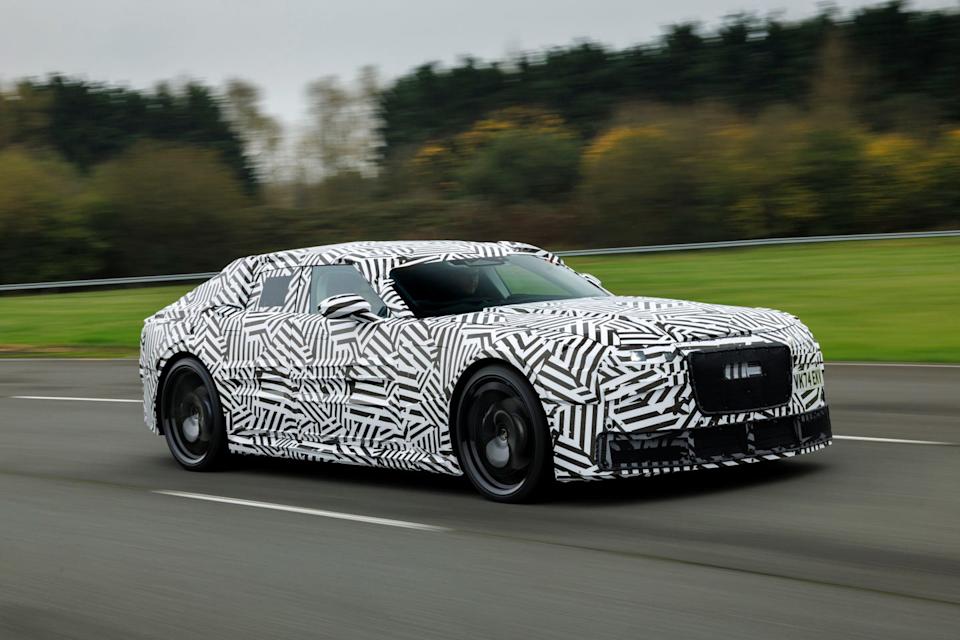
Jaguar is reinventing itself as an exclusive, high-end luxury EV brand, starting with a four-door grand tourer that will enter production in late 2026. Few details are known about the new car—which could be called the I-Type—but testing began on public roads in November 2024. Photos of the camouflaged prototype reveal a large, imposing sedan shape and the design should hew closely to the polarizing Type 00 concept car. Jaguar is targeting an EPA-estimated range of at least 430 miles and the ability to add 200 miles of range in 15 minutes on a fast-charger. The Jaguar EV should cost over $100,000 and could produce up to 986 horsepower.
Jaguar
Advertisement
Advertisement
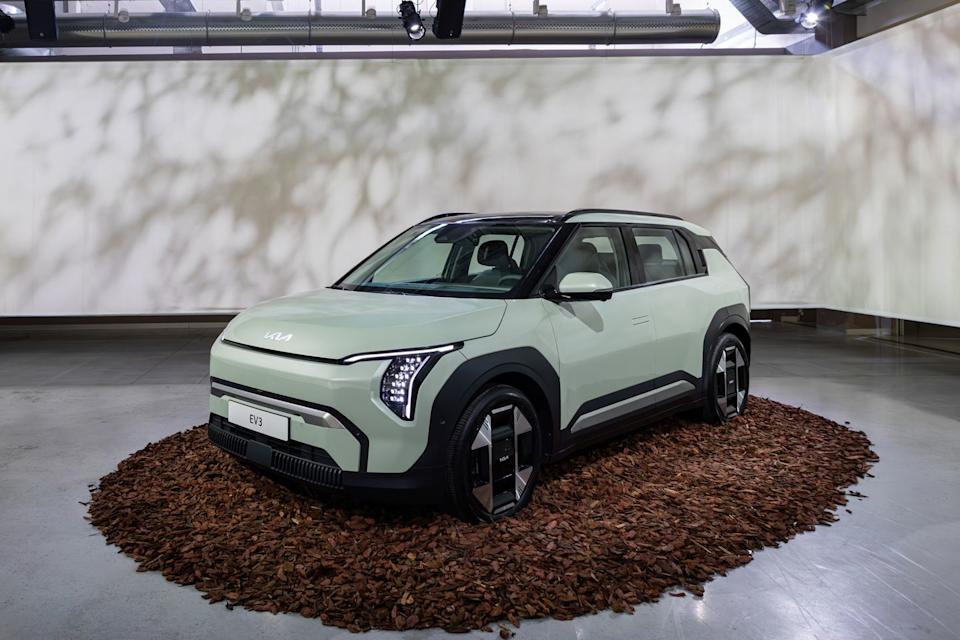
Kia EV3 (Expected: 2026)
Kia plans to follow up its 10Best-award-winning EV6 and EV9 with the compact EV3, expected to reach the U.S. in 2026. The production car retains the concept’s funky exterior design but tones down the cabin with a simple, spacious layout that utilizes recycled fabrics on the dashboard and door panels. Powertrain details are still murky, but Kia says the long-range variant will eke out 350 miles from an 81.4-kWh battery. Front-wheel drive is standard—with a 0-62-mph time for single-motor models of 7.5 seconds—but we expect all-wheel-drive versions to be revealed later. The EV3 could cost as little as $30,000.
Kia
Kia EV Truck (Expected: 2029)
Kia broke into the pickup truck market when it launched the boldly styled Tasman last year, and while that truck isn’t destined for the U.S. market, the automaker confirmed in 2025 that it is working on an electric pickup for North America. Not many details have been confirmed, but we know the mid-size truck will ride on a new electric platform and that Kia claims it will have a “robust towing system” and “best-in-class interior and cargo space.” We don’t expect it to arrive until the end of the decade, and an uncertain market for EVs and constantly changing tariffs could lead to its demise.

Kia
Land Rover Range Rover EV (Expected: 2026)
The first electric Range Rover will be unveiled later this year with an 800-volt architecture and the ability to wade through up to 33.4 inches of water. It is expected to share its appearance largely with the gas-powered Range Rover, which is no surprise given that the two models will share a platform, with the current Range Rover designed with EVs in mind. We’re still waiting for most of the mechanical details like power figures and range numbers, but diehard fans can put their names on a waitlist now before the pre-order books officially open. —Jack Fitzgerald

Land Rover
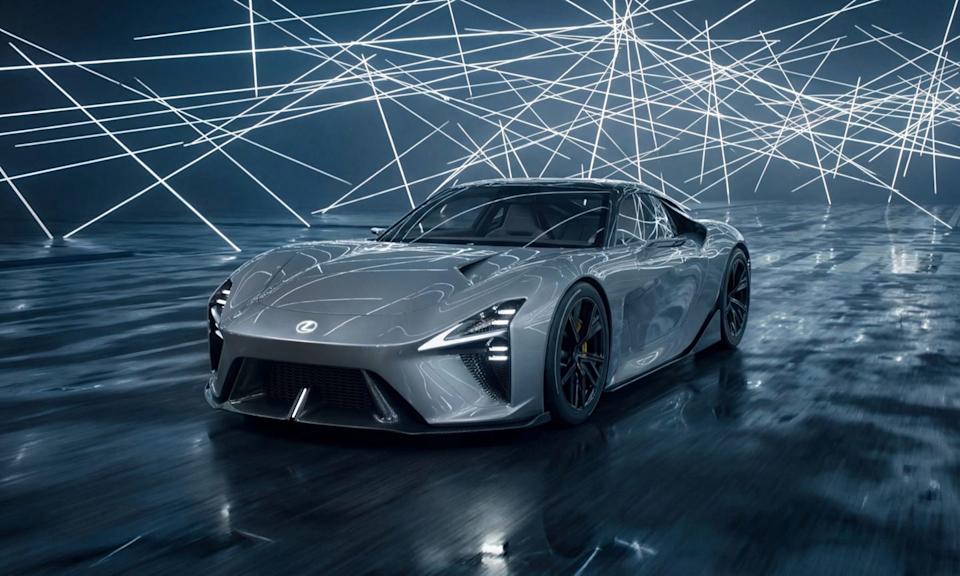
Lexus LFA (Expected: 2029)
Lexus is gearing up for another supercar, a sentence that demands our attention. Their last attempt, the LFA, made an undeniable impression with its screaming V-10 engine. While the next LFA, previewed by a new concept, will share a platform with the hybrid GR GT, the Lexus will be electric. We predict around 1000 horsepower and acceleration to 60 mph in the low-two-second range. Solid-state batteries, which Toyota aims to launch by the end of the decade, could achieve up to 430 miles of range. Lexus is also considering a simulated manual transmission with a clutch pedal and shifter to increase driver engagement.
Lexus
Advertisement
Advertisement
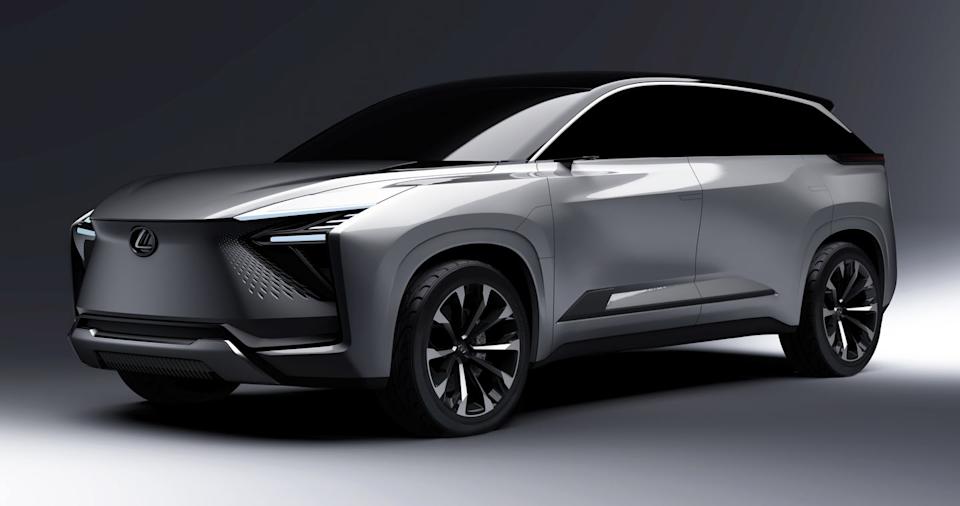
Lexus TZ (Expected: 2027)
Lexus, like its parent company Toyota, has been slow to enter the EV market, but its first attempt, the RZ crossover, is set to be followed by a new three-row SUV within the next few years. The luxury automaker has filed trademark applications for the name “TZ” in Europe, and we expect the electric three-row to serve as a counterpart to the gas-powered TX. The Lexus will share its platform with a three-row Toyota crossover, and may look similar to the Electrified SUV concept from 2021.
Lexus
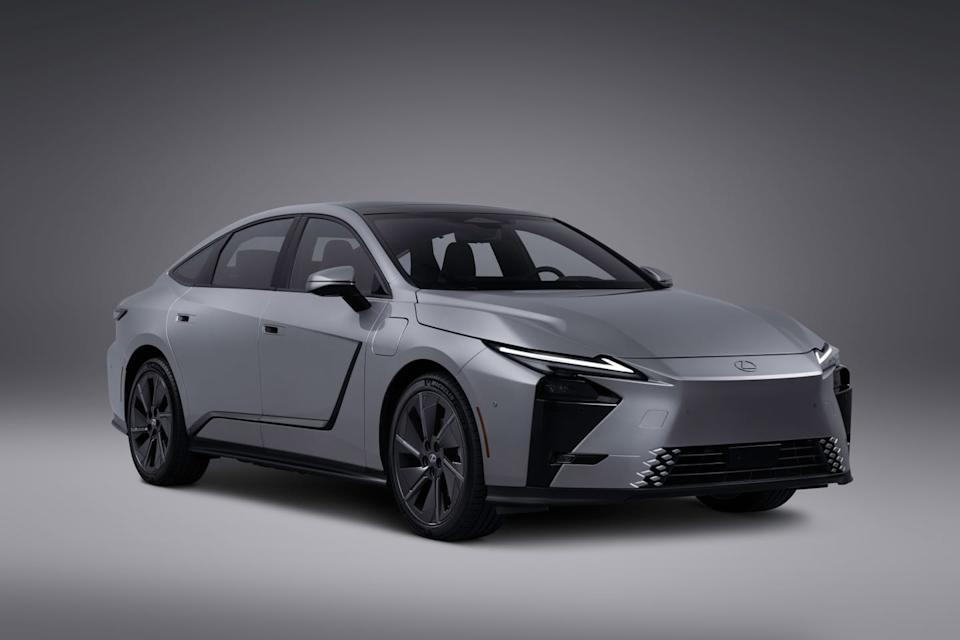
Lexus ES EV (Expected: 2026)
The Lexus ES midsize sedan has been thoroughly overhauled for the 2026 model year and will now offer the choice of either hybrid or fully electric powertrains. The EV will come as either the front-wheel-drive ES350e—with 221 hp and a zero-to-62-mph time of 8.9 seconds—or the all-wheel-drive ES500e, with 338 hp and a zero-to-62-mph time of 5.9 seconds. Lexus says the single-motor ES350e will have a 300-mile range, but didn’t provide an estimate for the ES500e. Sales will start in the U.S. at some point in 2026, where the Lexus ES EV will go up against the Audi A6 e-tron, Lucid Air, and BMW i5.
Lexus
Longbow Roadster (Expected: 2027)
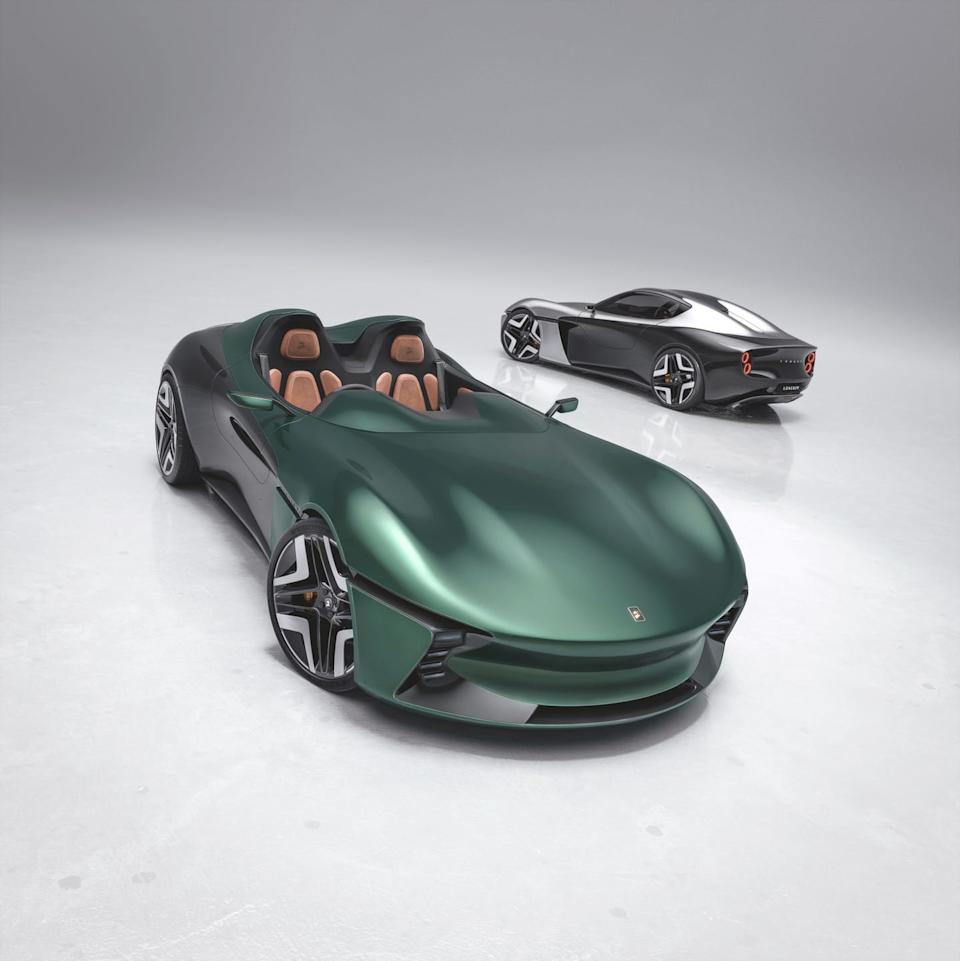
Longbow, a new British startup, aims to build lightweight electric sports cars starting in 2026. Based around an aluminum chassis, Longbow will kick things off with the limited-production Speedster, a roofless two-seater weighing 1973 pounds, before introducing the Roadster, which gains a roof and weighs 2194 pounds. The cars should be able to reach 60 mph in under four seconds, thanks to a rear-mounted 321-hp electric motor, and have a range of around 230 miles. 150 Speedsters are planned at around $110,000, while the Roadster will require roughly $84K. The company’s founders previously worked at Lucid and BYD, so there’s hope that the Longbow becomes the EV sports car we’ve been waiting for.
Longbow
Lotus Type 135 (Expected: 2027)
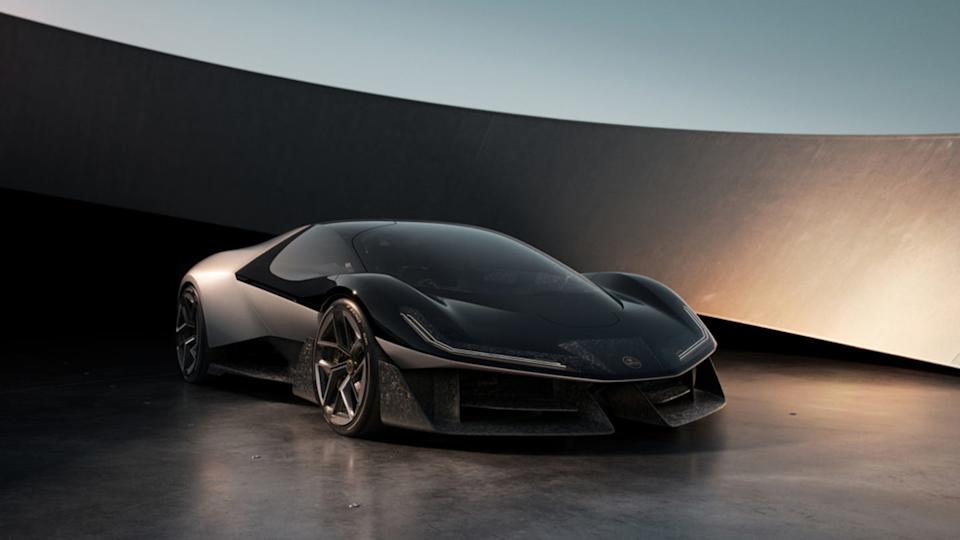
Whether or not Colin Chapman’s ghost agrees, Lotus’s future is electric. The brand will need a successor for the Emira, a two-seat sports car targeted at Lotus’s normal clientele, albeit with an electric powertrain. Referred to internally as the Type 135, the new model’s goal will align with historical Lotus products, aiming to simplify and add lightness via the new Lightweight Electric Vehicle Architecture (LEVA) platform. Performance could be similar to the recently revealed Lotus Theory 1 concept, suggesting an all-wheel-drive platform producing close to 1000 horsepower. Production was expected to start in the next two years, but Lotus boss Matt Windle said in May 2025 that the project was on hold while Lotus reconsiders demand for electric sports cars. —Jack Fitzgerald
Lotus
Advertisement
Advertisement
Lucid Earth (Expected: Late 2026)
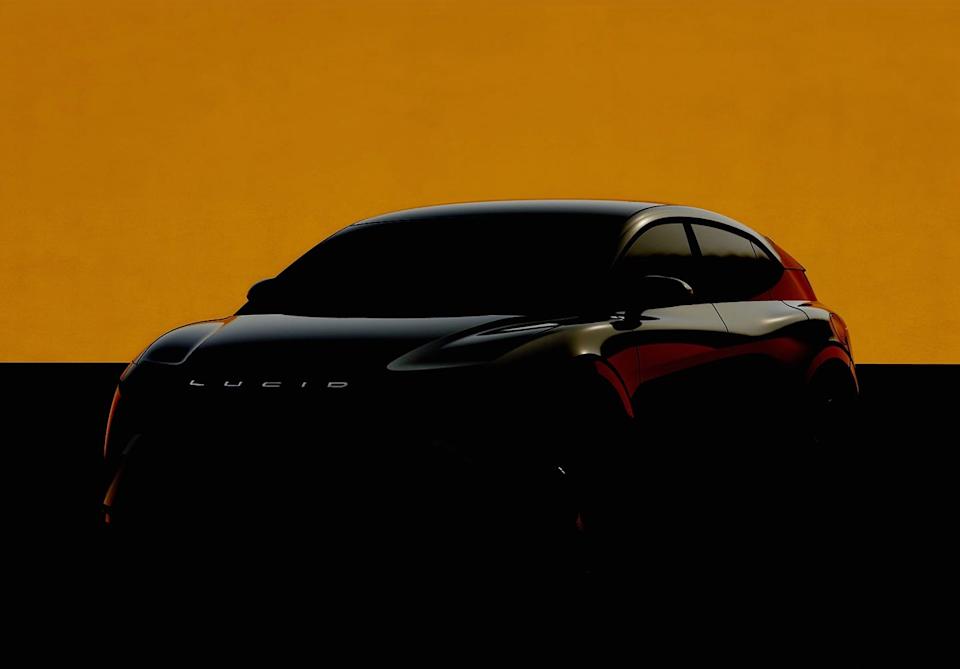
The Lucid Air sedan has been joined by the Gravity SUV, but the fledgling American startup plans to expand its lineup further in late 2026 with a smaller, cheaper crossover. Lucid’s CEO confirmed the brand is working on a mid-size electric SUV that will start at around $48,000. A teaser image shows a similarly sleek look to the Air and Gravity. Production would take place at Lucid’s second Advanced Manufacturing Plant in Saudi Arabia. Lucid trademarked the name “Earth” recently, which could adorn the upcoming crossover. The SUV will be one of three new vehicles on the new mid-size platform.
Lucid
Mazda EV SUV (Expected: 2029)
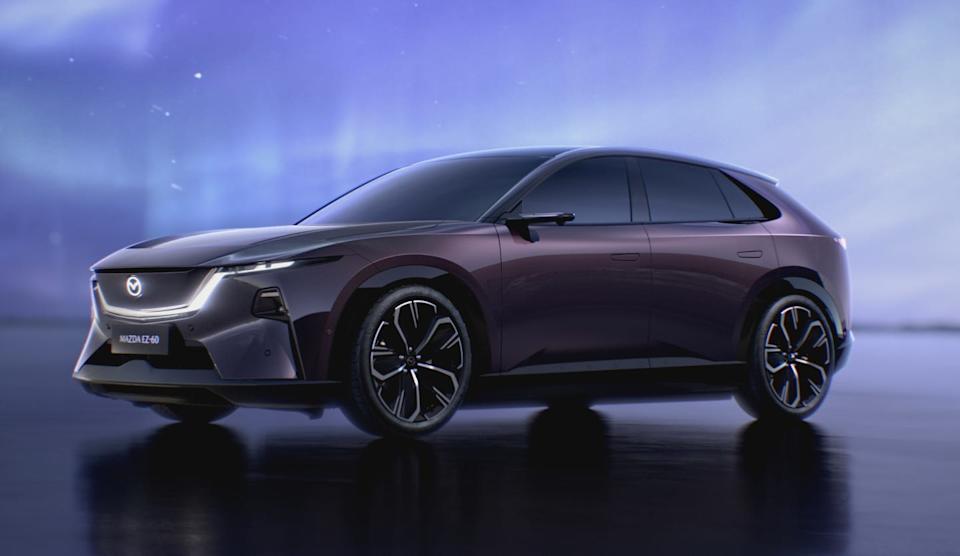
Mazda is working on an electric vehicle for the United States, but information is currently limited. Prototypes have been spotted wearing a compact SUV body. Originally intended to arrive in 2027, reports now suggest the EV won’t enter production until 2029 at the earliest. It will differ from the EZ-60, jointly developed with Chinese automaker Changan for China and Europe, seen here.
Changan Mazda
Mercedes-Benz GLC-class EV (Expected: Late 2026)
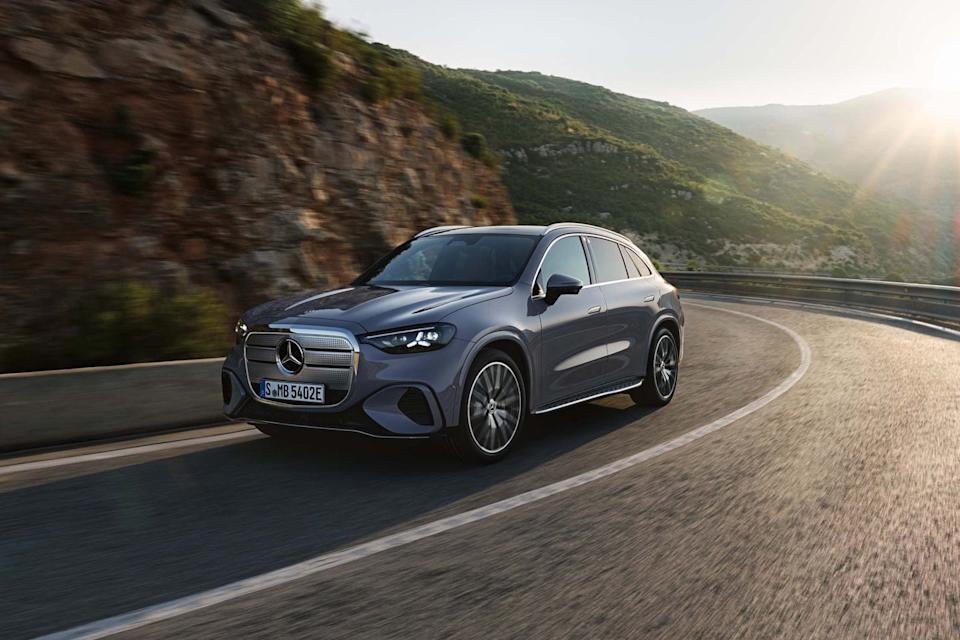
Mercedes-Benz will challenge the BMW iX3 with the new GLC-class EV, an electric version of the company’s second-best-selling model. Despite sharing its name with the gas-powered GLC, the electric version rides on a new platform with a longer wheelbase and a unique design, highlighted by the giant illuminated grille. Two powertrains are available: a 483-hp dual-motor setup or a 369-hp, single-motor rear-wheel-drive model. An 800-volt electrical system will provide rapid recharging, while we expect the maximum range from the 94-kWh battery to land around 375 miles. Inside, Mercedes will offer a humongous 39.1-inch screen that stretches the length of the dashboard. Sales begin in late 2026.
Mercedes-Benz
Mercedes-AMG GT XX EV (Expected: 2026)
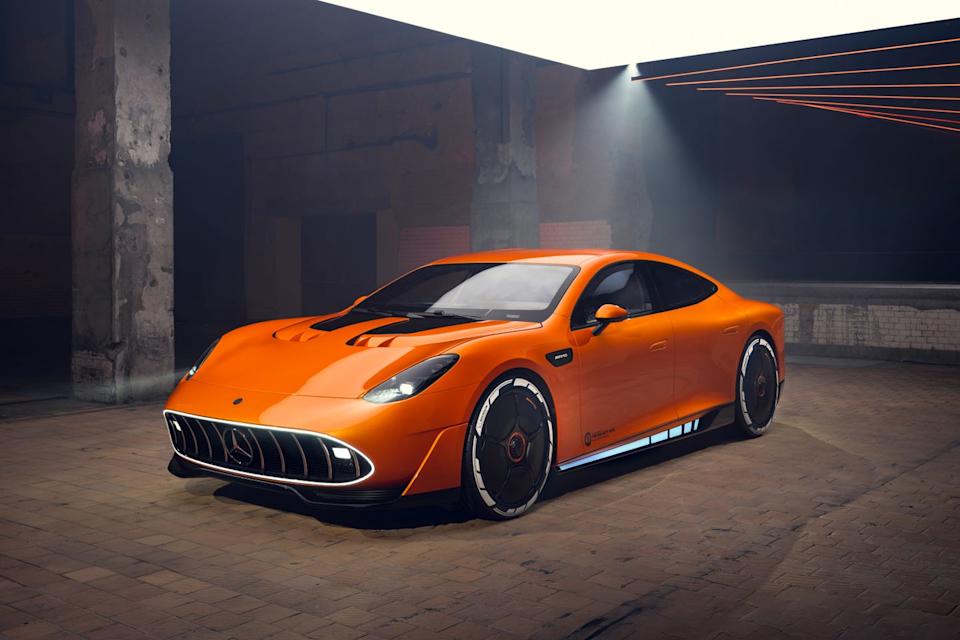
Mercedes’s performance division, AMG, is developing its own EV, previewed by the wild AMG GT XX concept. The electric four-door rides on the new AMG.EA platform, packing three electric motors that combine for 1341 horsepower. Mercedes claims the concept’s top speed is 223 mph. The battery’s special cooling system is designed to allow repeatable high-performance driving, and Mercedes says the 800-volt architecture and new battery cells will allow for game-changing charging speeds. The concept can charge at up to 850 kilowatts—that is, if the charging equipment is up to the task—and add 248 miles of range in five minutes. While the AMG GT XX is still a concept, we expect Mercedes to try and translate this impressive performance to the final production car, due out in 2026.
Mercedes-AMG
Advertisement
Advertisement
Mercedes-AMG EV SUV (Expected: 2026)
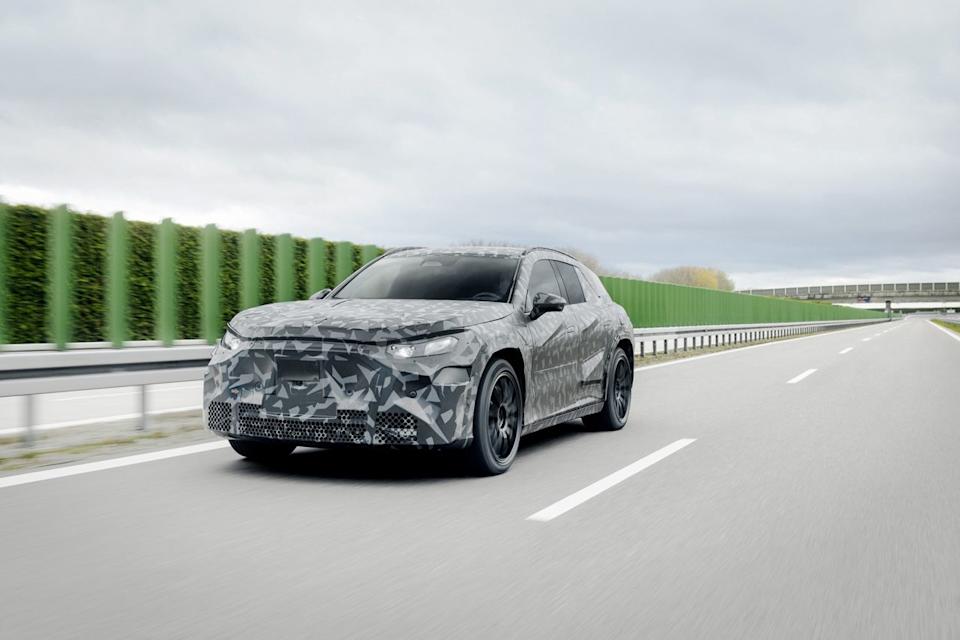
A second dedicated EV from the Mercedes-AMG performance division is coming and this one will wear a taller SUV shape. Like its lower-slung counterpart, details are still scarce, but it will ride on the same AMG.EA platform as the four-door GT and will also utilize axial-flux motors that are more power-dense and compactly packaged than radial-flux motors. The AMG EV SUV will follow the four-door GT when it arrives in 2026.
Mercedes-AMG
Mercedes-Benz GLB EV (Expected: Late 2026)
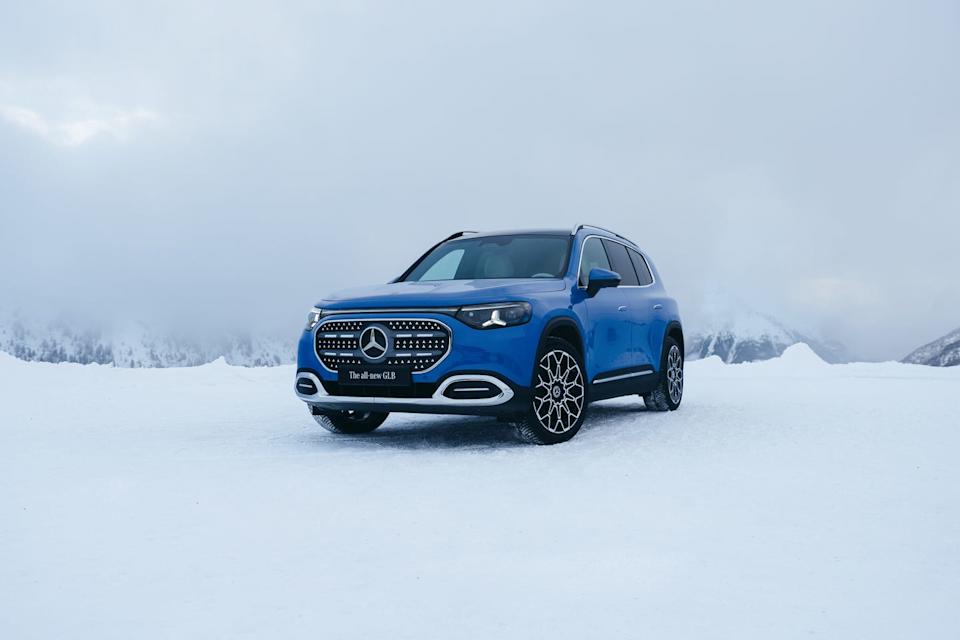
The second-generation Mercedes-Benz GLB follows the same strategy as the CLA, offering both hybrid and electric powertrains with nearly identical styling. The EV serves as a replacement for the EQB, and comes with either a single, rear-mounted 268-hp motor or a dual-motor, all-wheel-drive setup producing 349 hp. Range estimates are between 286 and 333 miles for the single-motor GLB, and between 275 and 325 miles for the AWD model. The boxy exterior design remains intact, while the cabin receives the glamorous optional Superscreen that spans nearly the entire width of the dashboard. Sales will begin before the end of 2026.
Mercedes-Benz
Mercedes-Benz VLE (Expected: 2027)
In the U.S., VIP chauffeuring duties are typically handled by something like a Cadillac Escalade. But Mercedes aims to switch things up with the VLE, an electric luxury van that will go on sale in the U.S. in 2027. The VLE features a glamorous cabin with a variety of seating layouts, with optional rear thrones that feature tray tables, deployable leg rests, and a massage function. The center console can feature a refrigerated or heated compartment, and the rear passengers can be treated to a 31.3-inch 8K screen that deploys from the ceiling. The VLE rides on a new platform with an 800-volt architecture that allows for charging at up to 300 kilowatts. The single-motor, 268-hp VLE300 has an estimated 370 miles of range, but range figures aren’t yet available for the dual-motor, 409-hp VLE400. Air suspension is available for a comfy ride, and buyers can add rear-wheel steering to make the van more maneuverable.
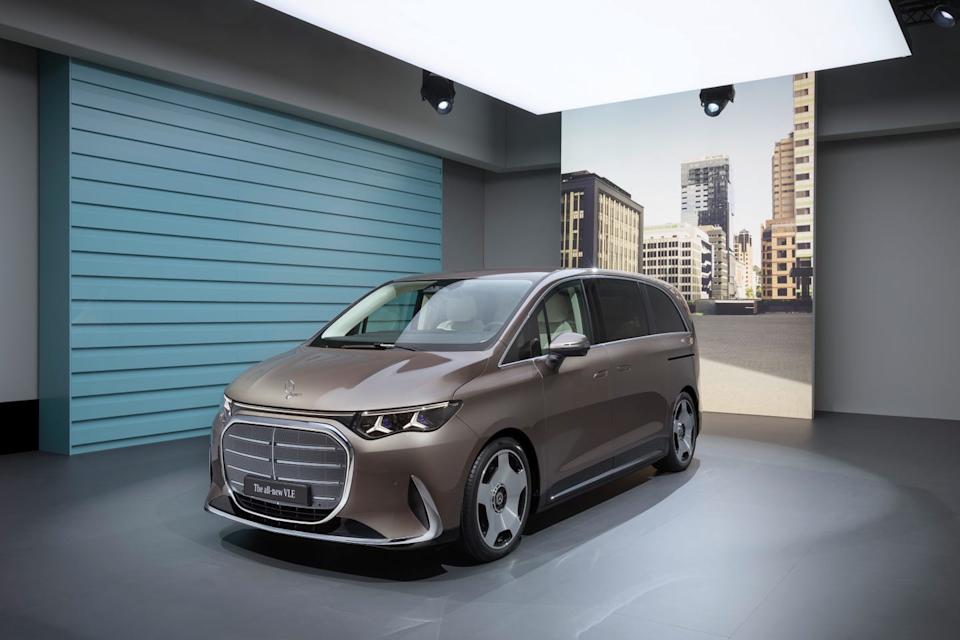
Mercedes-Benz
Mercedes-Benz C-class EV (Expected: 2027)
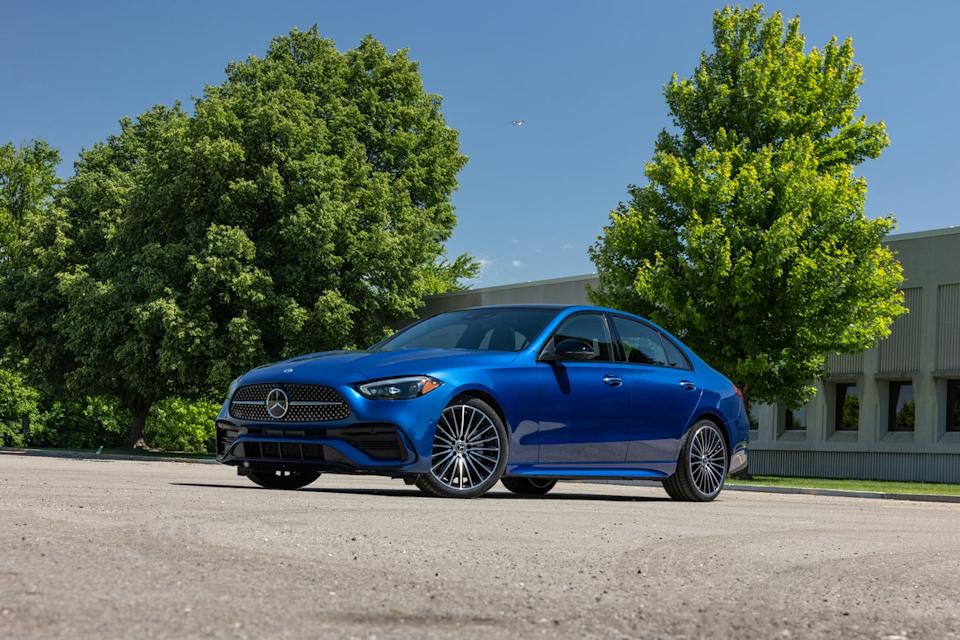
Mercedes will continue to expand its EV lineup with a new electric C-class sedan, which will arrive alongside a refresh for the gas-powered C-class. We expect the C-class EV to follow the lead of the GLC EV, with a large, bold, and illuminated grille and smooth bodywork. It will also share its MB.EA platform with the GLC EV, with an 800-volt architecture bringing rapid recharging. The powertrain should be similar too, meaning 369-hp single motor and 483-hp dual motor variants. The C-class EV should debut in 2026 and reach the U.S. market the following year.
Andi Hedrick – Car and Driver
Mercedes-Benz E-class EV (Expected: 2028)
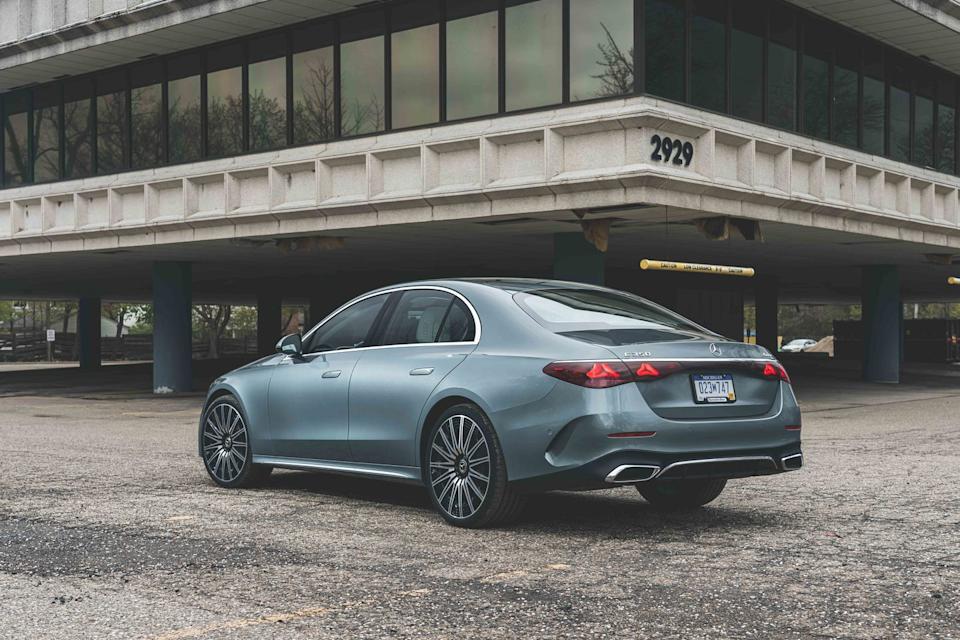
After the C-class EV, Mercedes will launch an E-class EV that will serve as a replacement for the EQE and share the MB.EA platform with its smaller sedan sibling. Not much is known about the E-class EV just yet, but it will likely debut in 2027 before going on sale in the U.S. in 2028.
Marc Urbano – Car and Driver
Mitsubishi Lancer EV (Expected: Summer 2026)
Nissan comprehensively overhauled the Leaf for the 2026 model year, transforming it into a subcompact SUV, and Mitsubishi has announced that it will launch its own EV based on the Leaf next year. Mitsubishi hasn’t provided many details, but we expect its powertrain to mirror that of the Leaf, which provides up to 303 miles of range and 214 hp. Mitsubishi plans to launch the electric crossover in the second half of 2026, and trademark filings suggest it may herald the return of the Lancer name.
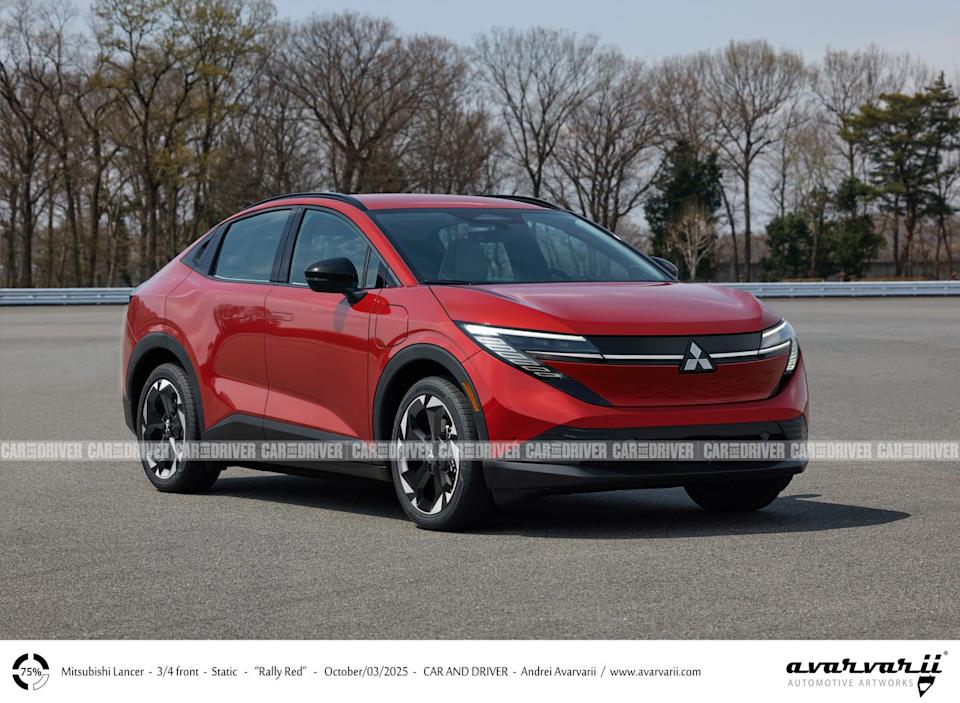
Illustration by Avarvarii – Car and Driver
Polestar 5 (Expected: 2027, Maybe)
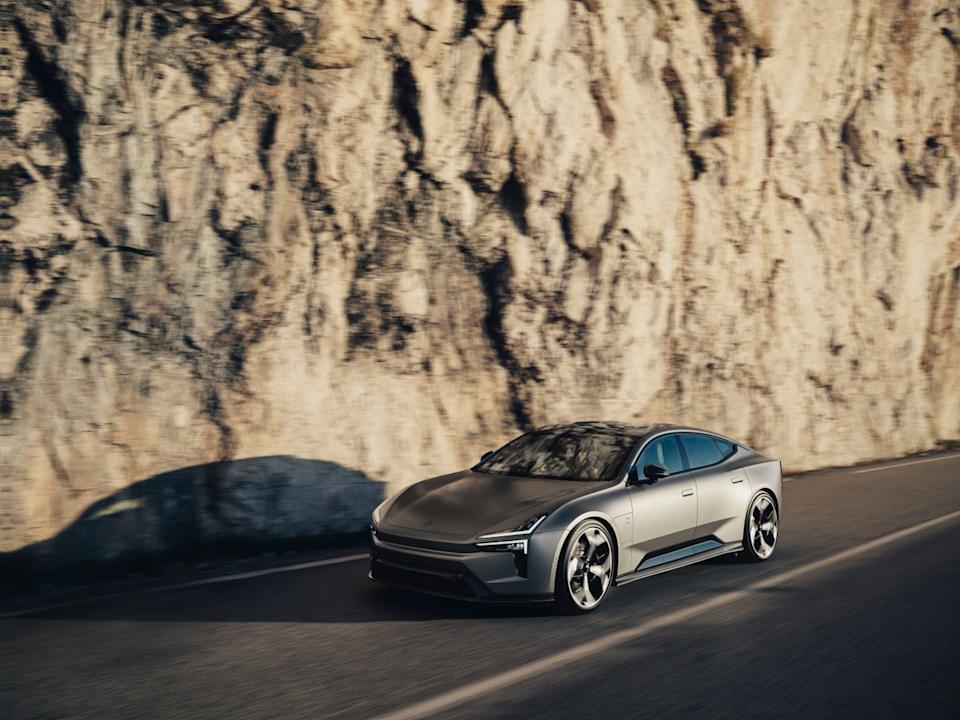
The Polestar 5 is slated to compete with the Tesla Model S and Porsche Taycan and wears crisp, low-slung bodywork. Two dual-motor, all-wheel-drive powertrains will be available, with the standard model producing 738 hp and the Performance trim boosting output to 872 hp. An 800-volt 106-kWh battery can charge at speeds of up to 350 kilowatts, and we expect an EPA range rating of around 330 miles for the standard car and 300 miles for the Performance. Prices should start north of $100,000, but Polestar hasn’t said when the model will launch in the United States, and given that it will be built in China, tariffs could make it too costly to ever sell stateside.
Polestar
Polestar 4 Wagon (Expected: Late 2026)
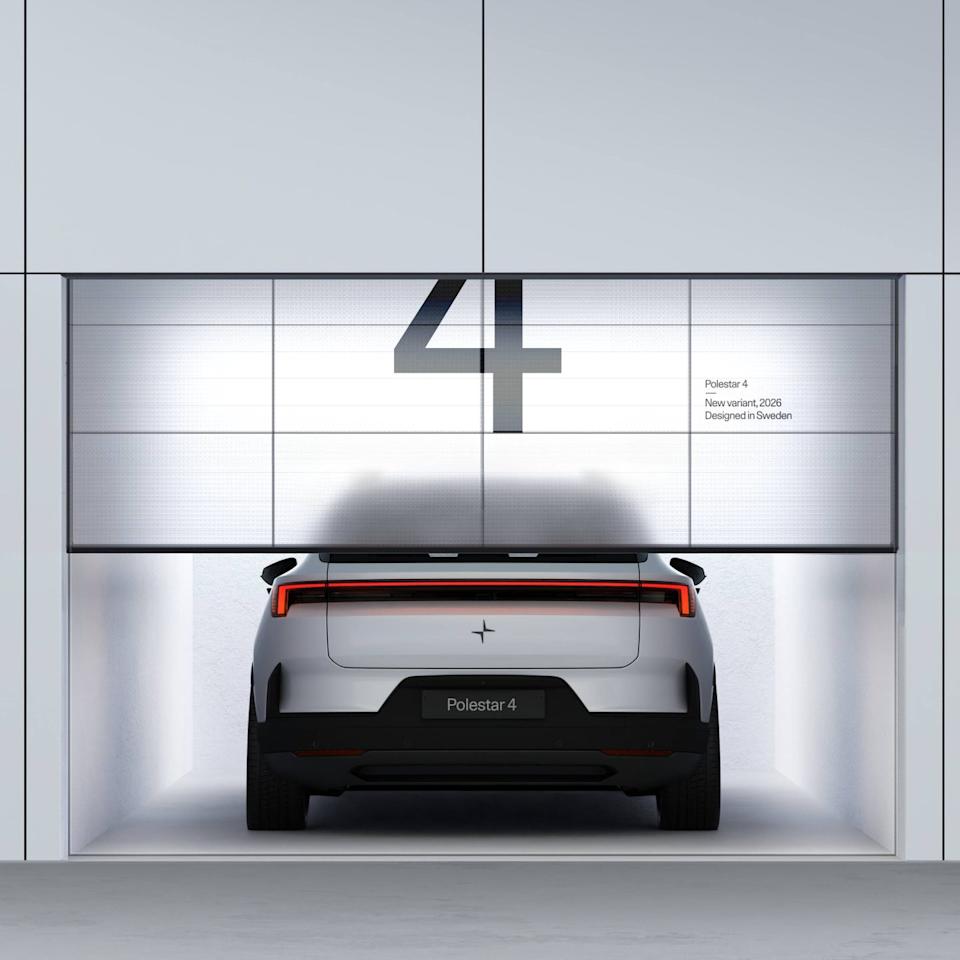
Polestar is gearing up to launch a new variant of the 4, its small SUV with a sloping roof and no rear window. This new model, however, will mix things up with a more station-wagon-like roofline and a return to featuring rear glass, with the company promising it will combine “the space of an estate and the versatility of an SUV.” This wagon-like Polestar 4 is set to arrive in the fourth quarter and has been confirmed for the U.S.
Polestar
Polestar 7 (Expected: 2027)
Polestar has announced plans for yet another numerically named electric crossover that will launch in 2027. The Polestar 7, as it will be called, will be a compact SUV and should slot in below the Polestar 3 but with a more traditional SUV-like shape than the sloping roofline of the Polestar 4. Not much else is known about the Polestar 7 at the moment, but the SUV is set to be built in Europe.

Polestar
Polestar 6 (Expected: 2030)
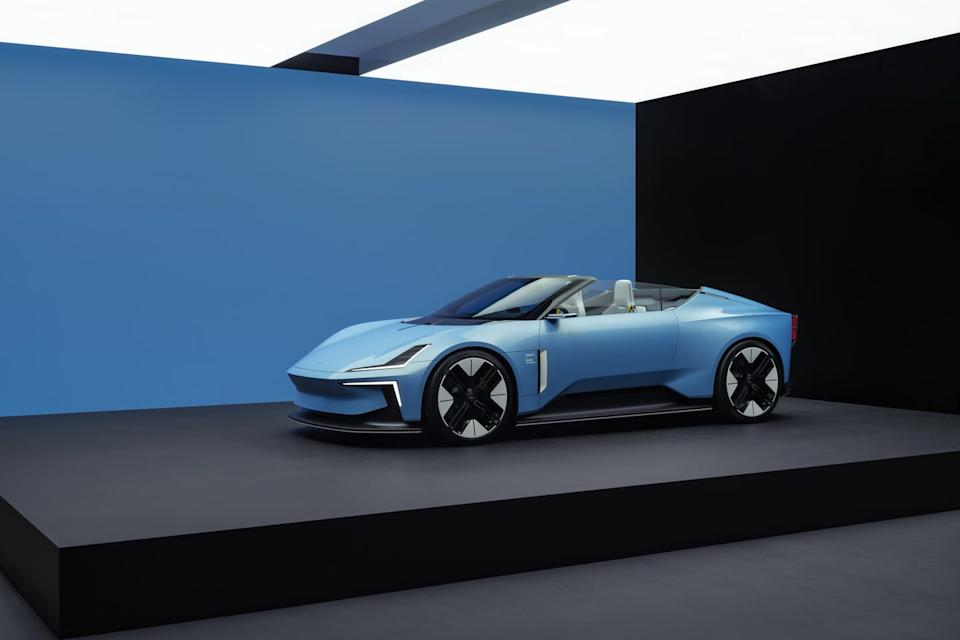
The Polestar 6 is the type of EV that raises our heart rate. Not only will the production version feature an 884-hp all-wheel-drive powertrain, but it’ll be an open-top roadster that looks as racy as it does radical. Speaking of rad, the roofless two-door is expected to employ 663 pound-feet of torque to hit 60 mph in 3.2 seconds on its way to a 155-mph top speed. While its interior isn’t as exciting as the exterior, all of it will be wrapped around a unique bonded aluminum chassis and an 800-volt architecture that will be shared with the forthcoming Polestar 5. Sadly, the Polestar 6 is delayed and may not arrive before 2030, as the brand focuses on more profitable segments such as compact SUVs.
Polestar
Porsche 718 Cayman and Boxster EVs (Expected: 2027)
Porsche’s first electric sports car will be a successor to the 718. Riding on the Volkswagen Group’s PPE platform, the electric Cayman and Boxster are expected to use the same 900-volt electrical architecture as Porsche’s GT4 ePerformance test-bed vehicle. We expect a single-motor base model with a minimum of 450 horsepower driving the rear wheels, with all-wheel drive dual-motor versions producing upwards of 1000 horsepower to follow. While the electric sports cars were originally due in 2025, the 718 EV has faced delays and now may not reach the U.S. until 2027. —Jack Fitzgerald
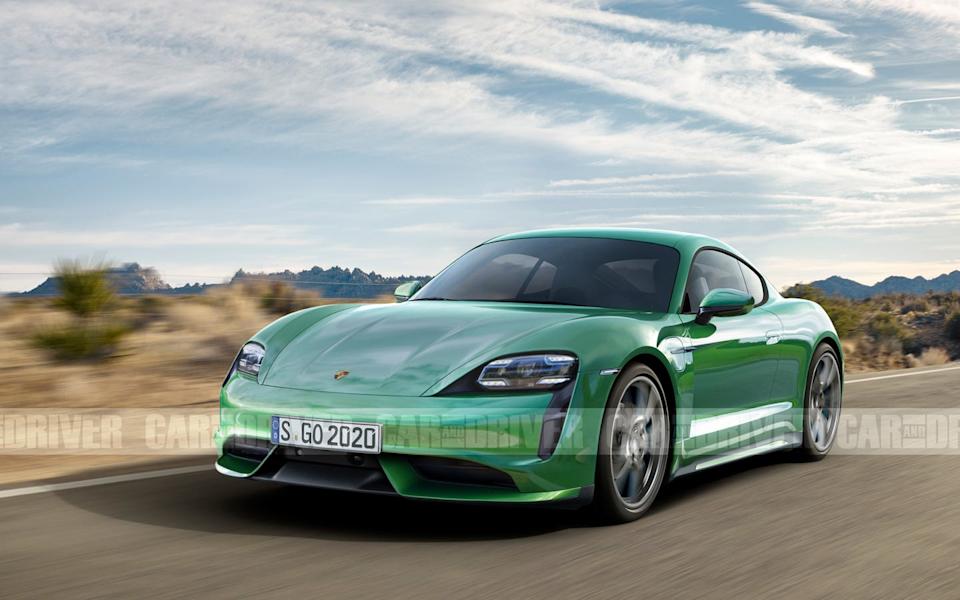
Illustration by Christian Schulte – Car and Driver
Porsche Cayenne EV (Expected: Summer 2026)
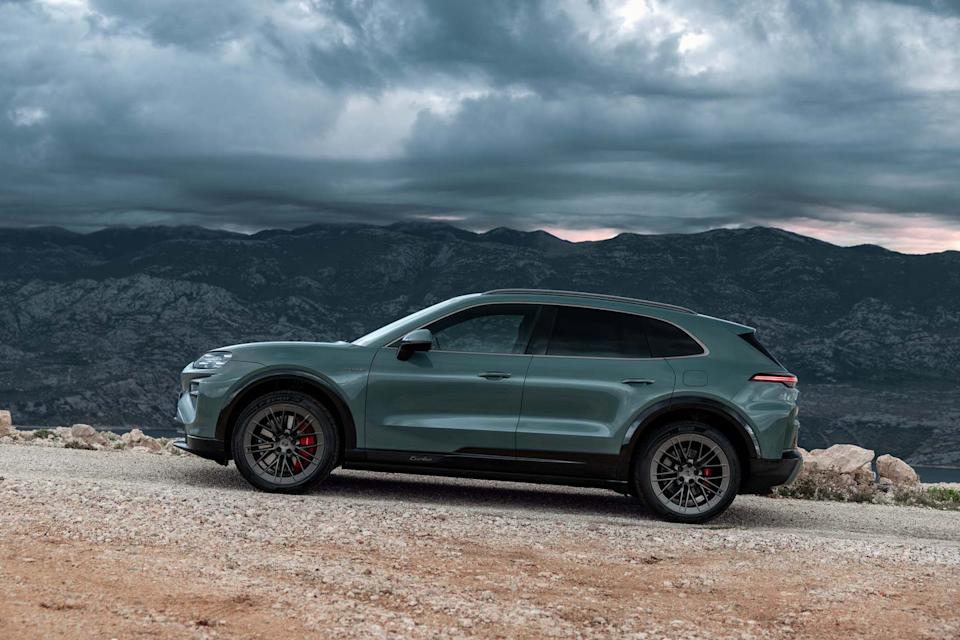
Just as Porsche’s popular Macan spawned an electric variant for 2024, so too is the pioneering Cayenne, which kicked off Porsche’s SUV journey back in 2003. The Cayenne EV arrives in two guises: the base model, which produces 435 horsepower, and the 1139-hp Turbo, the most powerful Porsche yet, which rips to 60 mph in just 2.4 seconds. An 800-volt architecture allows for a peak charging rate of 400 kilowatts, with the 108-kWh battery able to go from 10 to 80 percent in under 16 minutes. Range is yet to be confirmed, but we expect it to max out at 320 miles. Deliveries begin in the U.S. in the summer of 2026, and the Cayenne EV should live alongside the gas-powered Cayenne for several years.
Porsche
Rolls-Royce EV SUV (Expected: 2028)
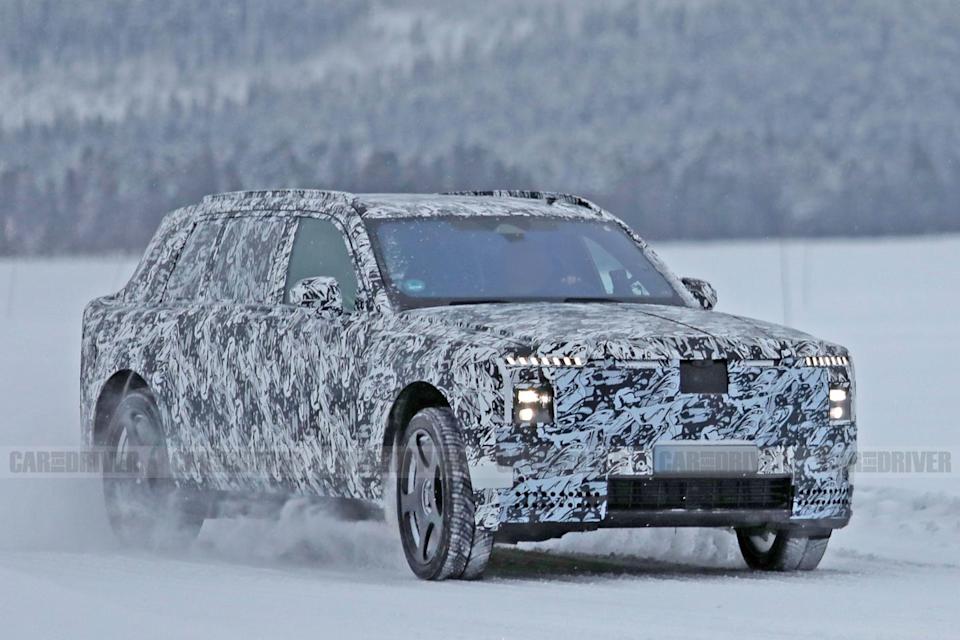
Rolls-Royce is planning on following up the electric Spectre coupe with a new electric SUV, which was spotted testing in wintry conditions wearing the brand’s traditionally boxy bodywork. Initial reports suggested the EV would replace the Cullinan, but we think it is more likely that the EV will live alongside Rolls-Royce’s gas-powered bestseller for at least a few years. The EV SUV will likely pair Rolls-Royce’s noble, distinguished styling with a potent dual-motor powertrain, and we expect it to arrive in the U.S. for the 2028 model year.
KGP Photography – Car and Driver
Rivian R2 (Expected: Q2 2026)
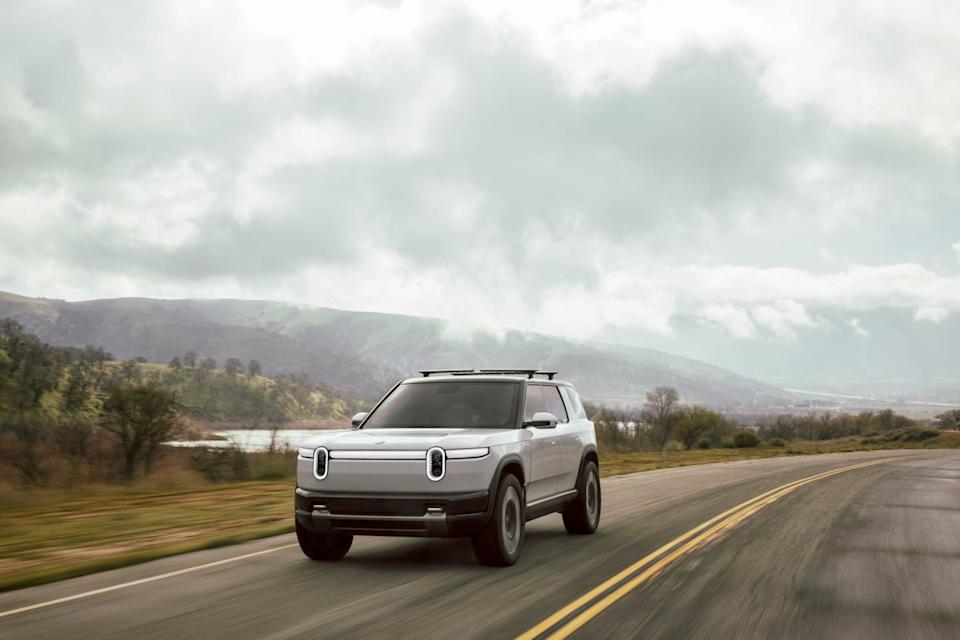
Rivian’s large electric R1T truck and R1S SUV will be followed by a more compact model, simply dubbed the R2. Expected to cost just $45,000, about $30K less than the R1S, the R2 is similar in size to the Porsche Macan. The styling is an evolution of the theme seen on the R1 models, and the five-seat cabin gains two gloveboxes. There are three drivetrains planned: single-motor, rear-wheel-drive, dual-motor all-wheel-drive, and a sporty tri-motor all-wheel-drive setup that will sprint to 60 mph in under 3.0 seconds. Two batteries will be available and the range is supposed to be more than 300 miles. The R2 is due in mid-2026.
Rivian
Rivian R3 and R3X (Expected: 2027)
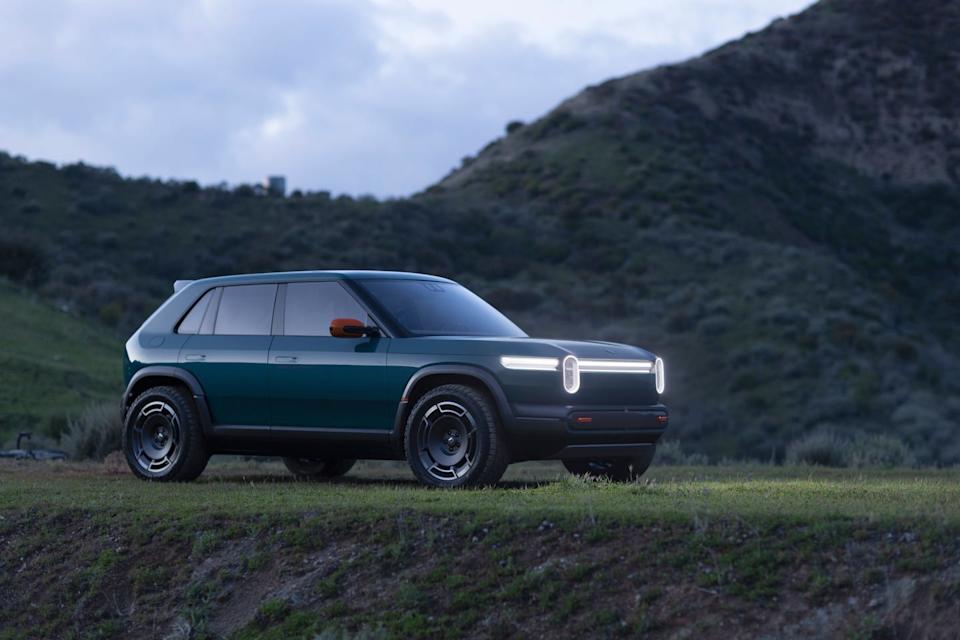
After the R2 arrives, Rivian will downsize even further with the R3 and R3X. These subcompact models share a platform with the R2 but have a wheelbase that is five inches shorter and should offer the same drivetrain options. The R3X sits higher than the regular R3, runs on wider tires, and will feature the same tri-motor powertrain as the top-level R2. The rear glass can open independently from the tailgate and the front and rear seats can fold completely flat. The R3 models should arrive by 2027 and should start below $40K, but Rivian says the sportier R3X will hit the road first.
Rivian
Scout Traveler (Expected: 2028)
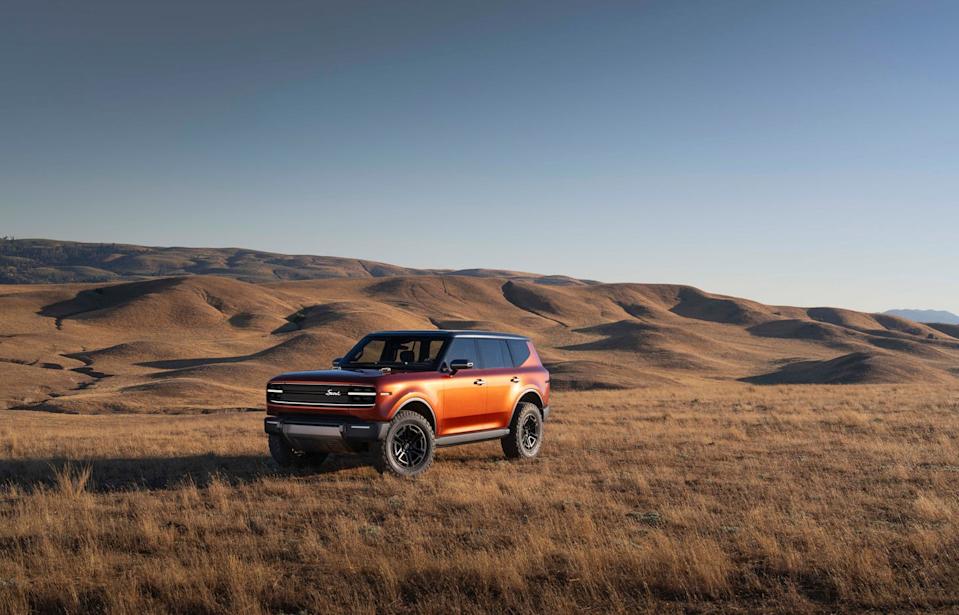
The Scout nameplate is being revived on a pair of rough-and-tough EVs that will be sold through a new brand owned by Volkswagen. Production of the Scout Traveler will begin in 2027 in a new factory in South Carolina, and the electric SUV will feature a body-on-frame construction with a solid rear axle and mechanical locking differentials front and rear. The dual-motor electric powertrain provides a claimed 350 miles of range, and Scout will also offer a range-extender gas engine that serves as a generator for the battery to boost the range to 500 miles. Scout is targeting a starting price below $60,000 for the Traveler.
Scout Motors
Scout Terra (Expected: 2028)
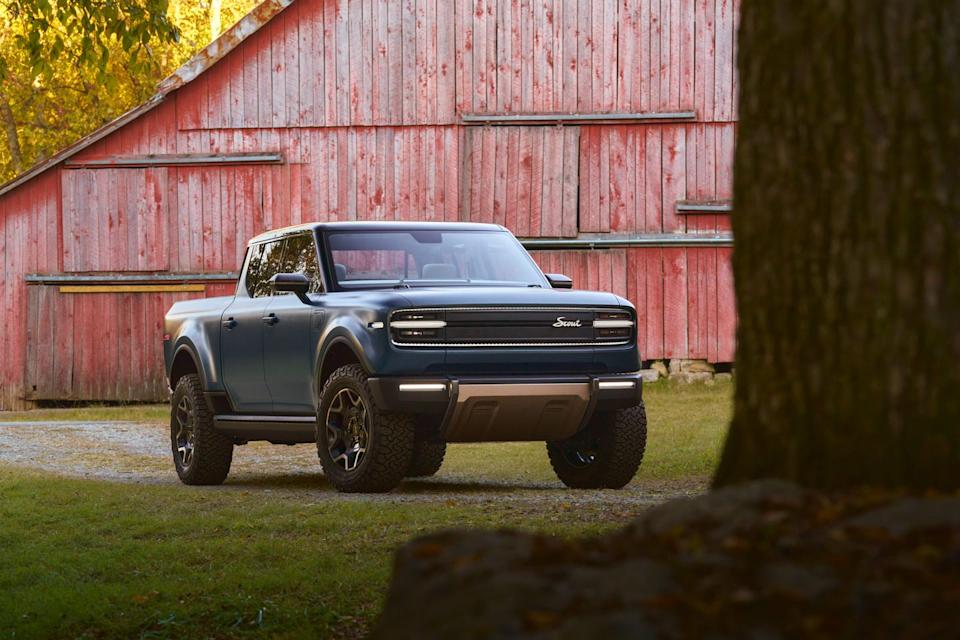
The Scout Terra pickup truck shares the same off-road capable platform and all-wheel-drive powertrain as the Traveler, including the optional range-extender gas engine. The bed measures 5.5 feet long and the truck will be able to tow over 10,000 pounds, Scout claims. The cabin is also identical, featuring both crisp screens and physical knobs and switches. Both vehicles will offer an optional front bench seat to increase passenger capacity to six. Like the Traveler, production of the Terra is due to start in 2027 for the 2028 model year.
Scout
Slate Truck (Expected: Late 2026)
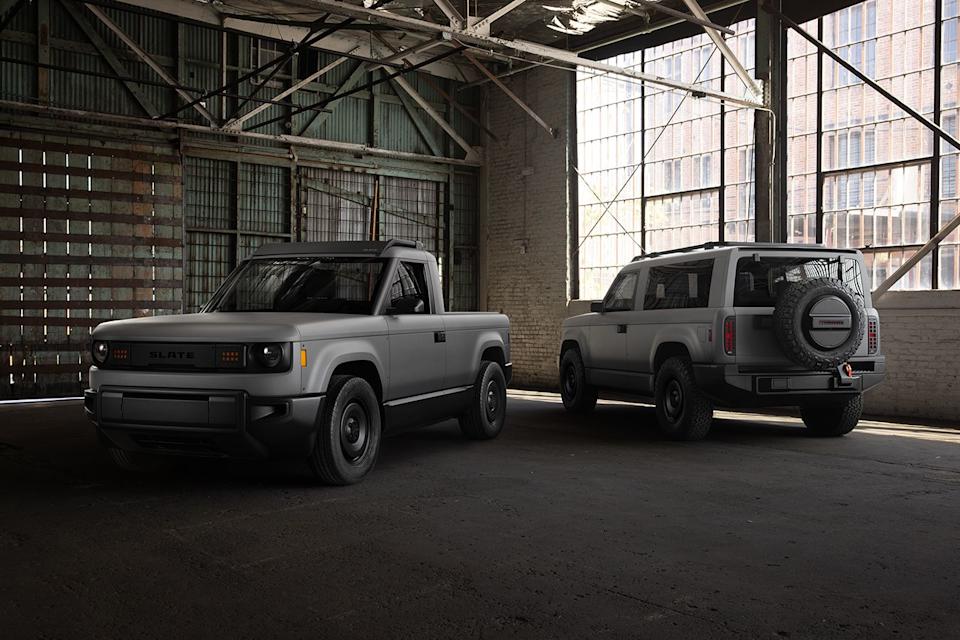
Slate is an all-new brand promising an electric back-to-basics truck by the end of 2026. While Slate initially promised a final price of under $20,000, by banking on the $7500 federal EV tax credit, the Trump administration’s cancellation of that incentive means the truck will instead start in the mid-$20,000 range. To minimize the price, the Slate Truck dispenses with most creature comforts. There’s no sound system and no infotainment screen—instead, there’s a dashboard mount for your phone. Slate will offer accessories for those who want more out of their vehicle, including a bed cap and rear seats to turn it into an SUV. Two battery packs will be available, one offering 150 miles of range and the other providing 240 miles. A 201-hp rear-mounted motor will scoot the truck to 60 mph in 8.0 seconds. The Slate Truck aims to be a bargain in the world of EVs, but you’ll have to make sacrifices to keep the price low.
Slate
Subaru Trailseeker (Expected: Spring 2026)
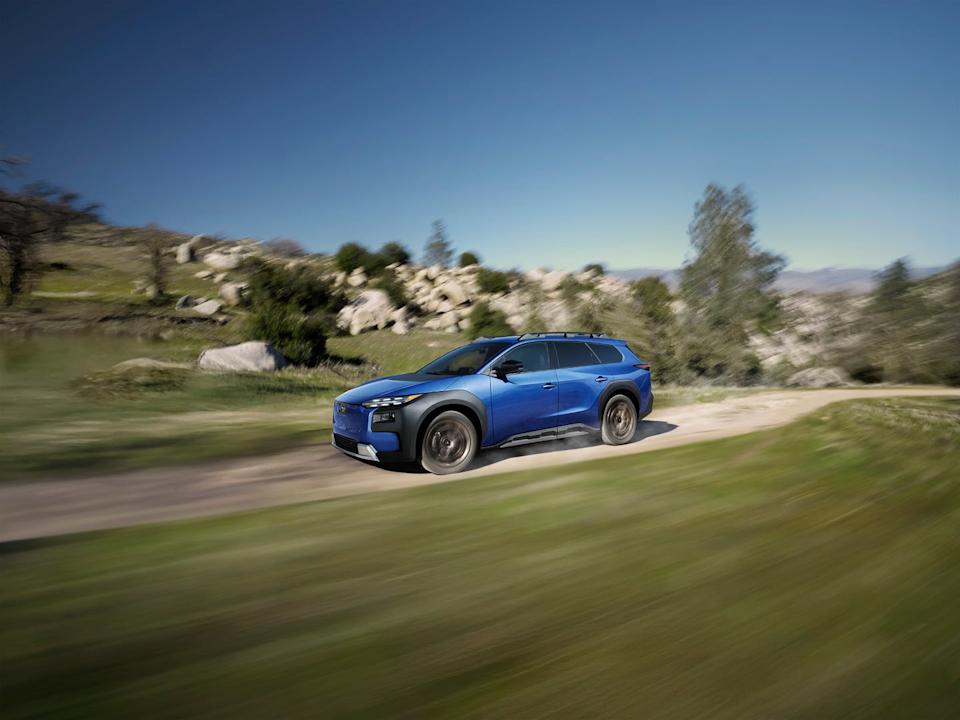
The Trailseeker will become Subaru’s second EV in the United States when sales kick off in 2026. While the Trailseeker is based on Subie’s other EV, the Solterra (itself closely related to the Toyota bZ), the Trailseeker measures roughly six inches longer overall and sports more outdoorsy styling with standard roof rails and black plastic cladding around the wheel arches. The larger dimensions afford extra cargo room, but the cabin is otherwise largely identical to that of the Solterra. The dual-motor powertrain produces around 375 hp, good for a 4.4-second zero-to-60-mph time, while Subaru estimates the range at 280 miles. Prices start at $41,445.
Subaru
Subaru Uncharted (Expected: Spring 2026)
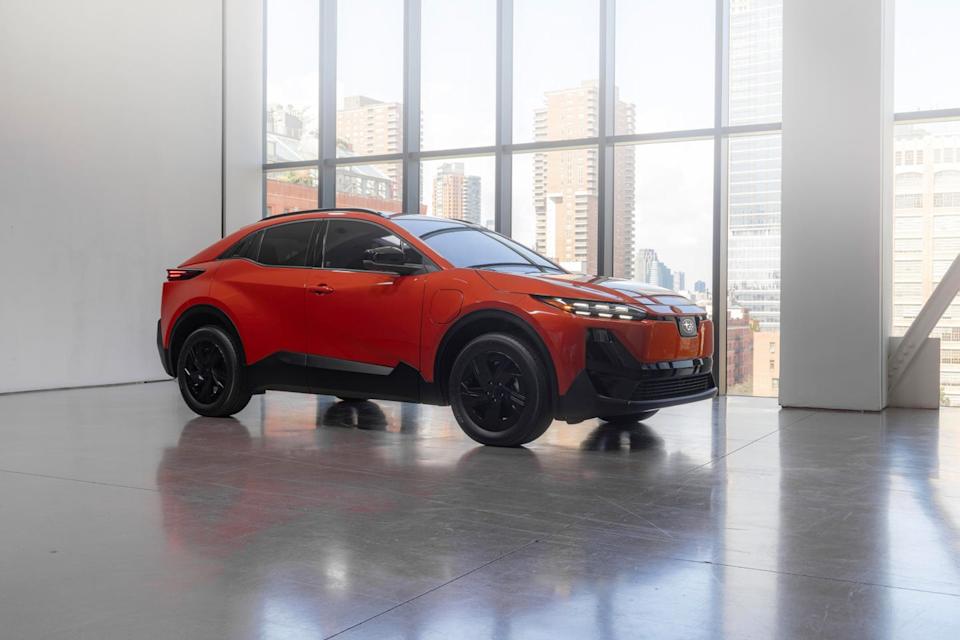
Just as the Solterra is a rebadged Toyota bZ and the Trailseeker is a rebadged Toyota bZ Woodland, the Subaru Uncharted is nearly identical to the upcoming 2026 Toyota C-HR. The front and rear end styling gets tweaked to line up with Subaru’s other electric offerings, with thin headlights and a chunky bumper. Unlike the Toyota, however, the Uncharted will offer a base model with front-wheel drive, using a single 221 hp motor and eking out an estimated range of 300 miles. An optional all-wheel-drive setup adds another electric motor and brings 338 hp, dropping the estimated range to between 270 and 285 miles. The AWD model should go from zero to 60 mph in less than 5.0 seconds. The Uncharted will go on sale in early 2026, with prices starting at $36,445.
Subaru
Tesla Roadster (Expected: 2027… maybe)
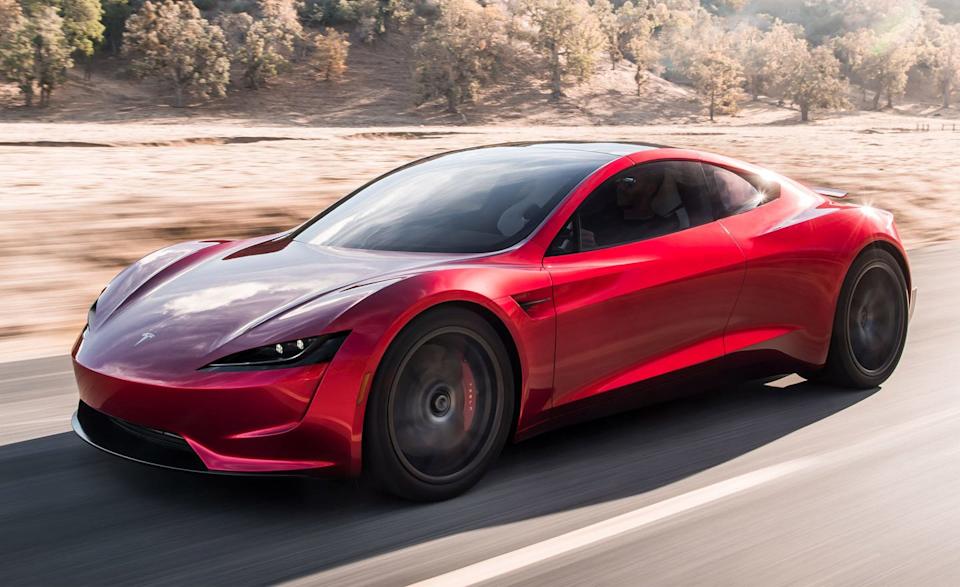
If there’s one thing Tesla loves, it’s biting off more than it can chew. When Tesla’s second-generation Roadster was first announced in 2017, the company claimed that 60 mph could arrive in a reality-warping 1.9 seconds on its way to a 250-mph top speed. If you love road trips, the Roadster will reportedly carry a 200.0-kWh battery pack with some 600-plus miles of range. Now, however, Musk claims that the Roadster will sprint to 60 mph in under one second, with the project becoming a collaboration with Musk’s rocket company, SpaceX. An optional package has even been teased that would add 10 small rocket thrusters, with Musk hinting that “maybe they will even allow a Tesla to fly.” After several years of delays, Musk now says the final production version will be revealed April 1, 2026, and “will be very different from what was shown previously.” He also says production will start 12 to 18 months after the reveal. We remain skeptical. —Andrew Krok
Tesla
Toyota C-HR (Expected: 2026)
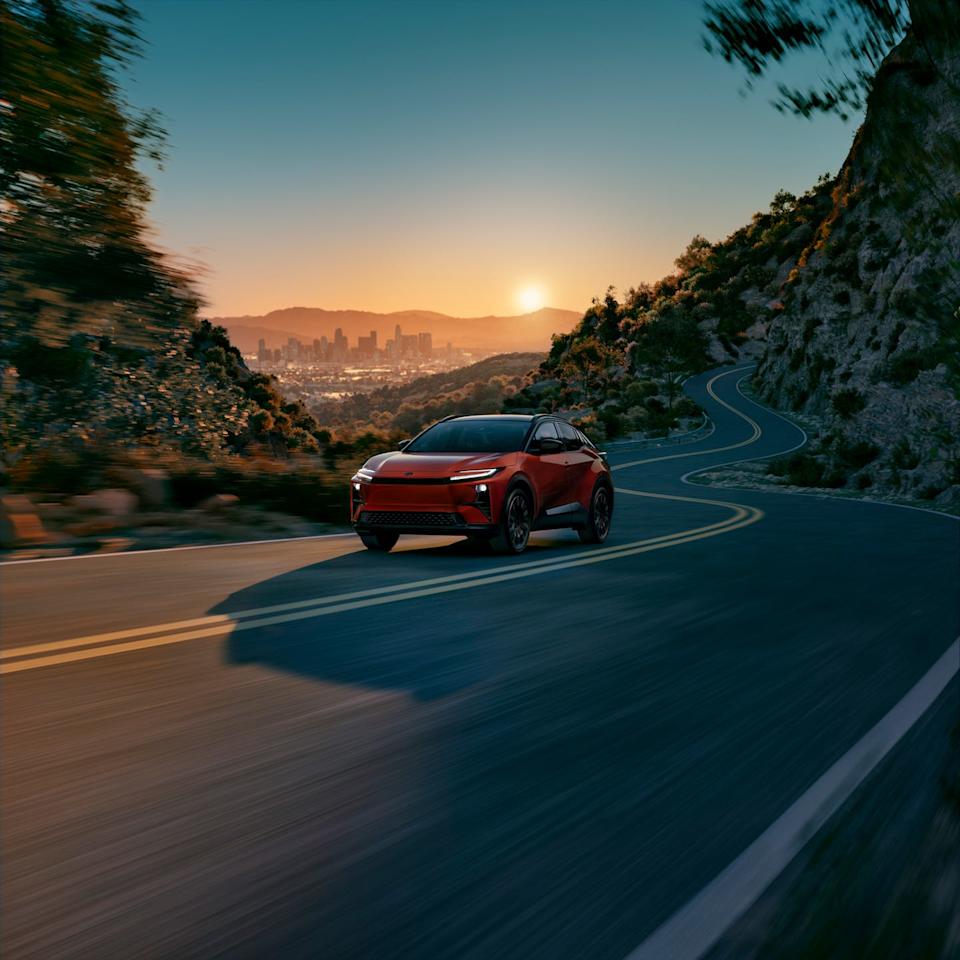
The Toyota C-HR returns to the U.S. as a subcompact electric SUV for the 2026 model year, pairing sharp styling with a potent powertrain. The dual-motor setup, shared with the AWD version of the refreshed 2026 bZ compact SUV, produces 338 hp. A 67-kWh battery provides 290 miles of range, Toyota claims, while the SUV can charge at up to 150 kW, going from 10 to 80 percent in around 30 minutes. The cabin largely mirrors the bZ, with a 14.0-inch touchscreen, a digital gauge readout, and two wireless charging pads. The CH-R packs standard features such as heated front seats and a power-adjustable driver’s seat, and prices are expected to start around $35,000.
Toyota
Toyota bZ Woodland (Expected: Early 2026)
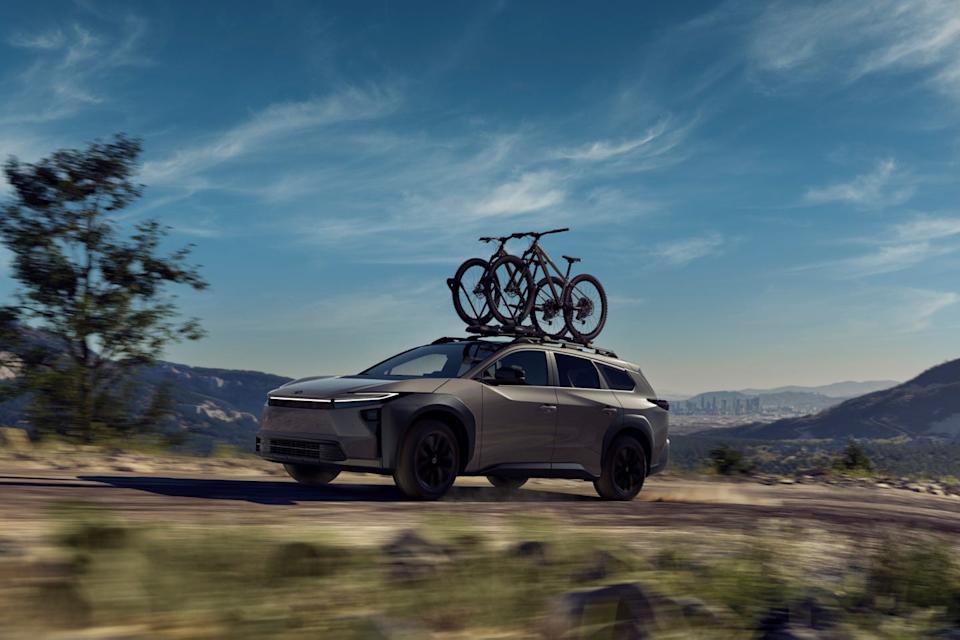
Toyota refreshed its compact electric SUV for 2026, changing the name from bZ4X to simply bZ. But the Japanese automotive giant didn’t stop there, expanding the range with the bZ Woodland. Closely related to the Subaru Trailseeker, this off-road-oriented EV is larger than the bZ and comes exclusively with a 375-hp dual-motor all-wheel-drive powertrain. Toyota estimates it will provide 260 miles of range, and the bZ Woodland boasts 8.3 inches of ground clearance. Sales will kick off in early 2026.
Toyota
Toyota Highlander (Expected: Late 2026)
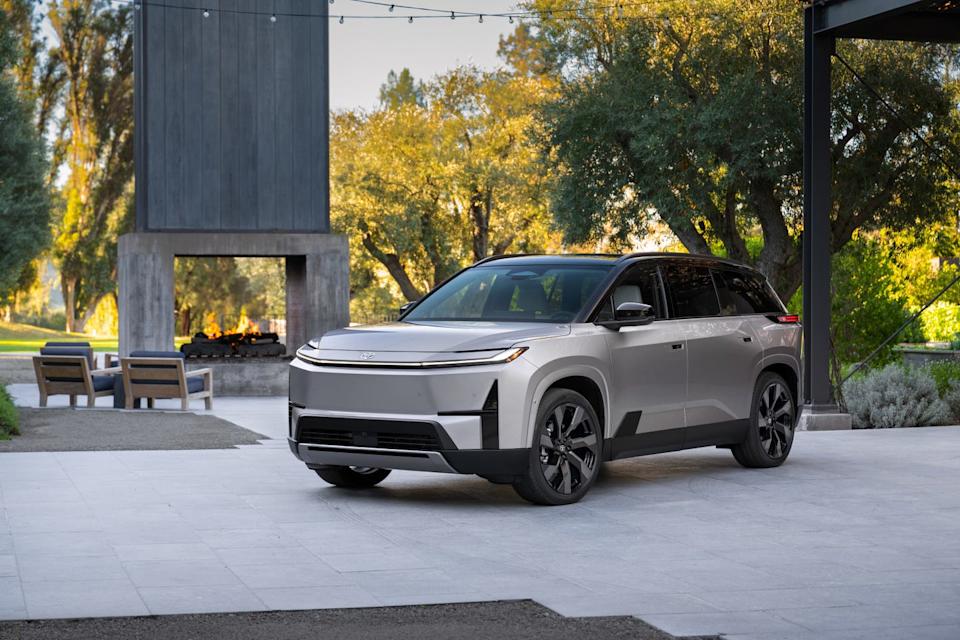
The current Toyota Highlander, offered with gas and hybrid powertrains, is being replaced for 2026 by an all-new model that retains the Highlander name and three-row, mid-size positioning but transitions to an all-electric setup. The base front-wheel drive model will achieve a claimed 287 miles of range, while all-wheel-drive variants with the bigger battery will be capable of 320 miles, Toyota says. The former produces 221 horsepower, while the dual-motor, all-wheel-drive Highlanders will churn out 338 ponies. The electric Highlander is nearly four inches longer than the model it replaces, has a modern cabin with large screens and plenty of places to charge your phone, and sports sharper, handsome styling. Sales should start in late 2026 or early 2027, and we expect the base price to land around $55,000.
Toyota
Toyota Corolla EV (Expected: 2028)
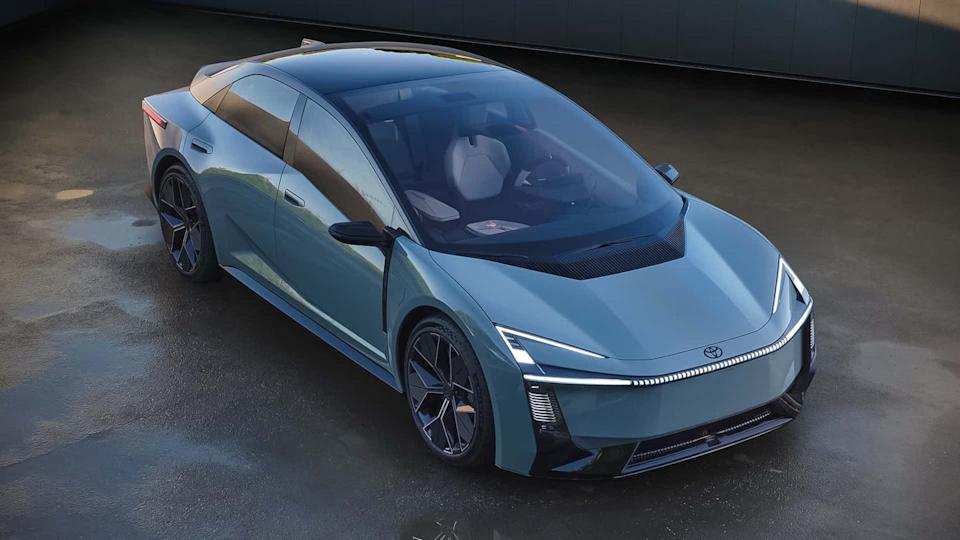
The next-generation Toyota Corolla, previewed by a sharply styled concept at the 2025 Tokyo auto show, is set to offer a wide range of powertrains, from pure gas to hybrid to a fully electric version. There are virtually no details yet on what to expect from a Corolla EV, which is still at least a few years away.
Toyota
Volkswagen ID. Tiguan (Expected: Late 2026)
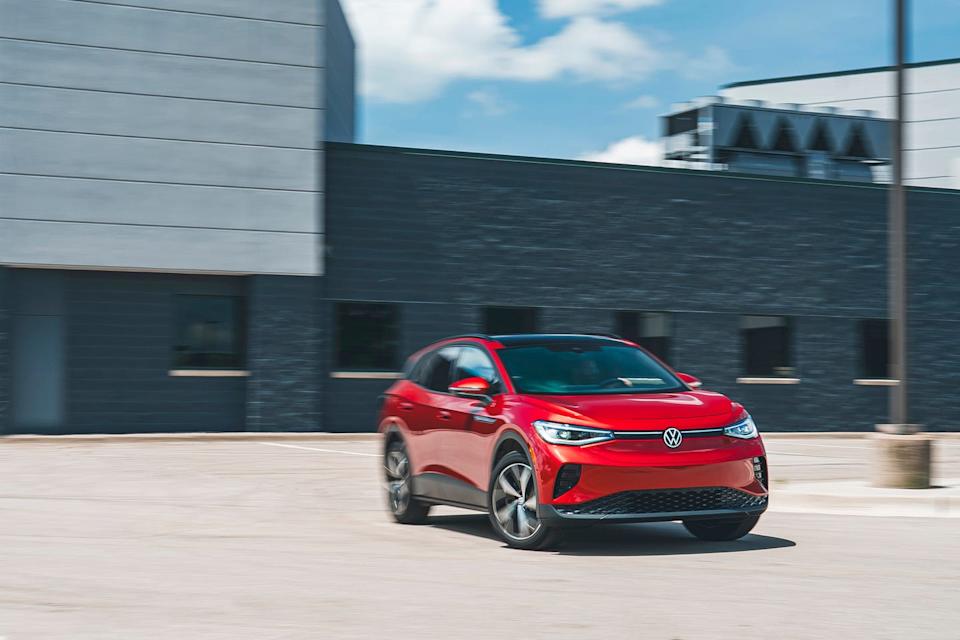
Volkswagen is gearing up to replace the ID.4, pictured here, with a heavily revised model in late 2026 that will adopt a new name. Reports suggest VW will call the new model the ID. Tiguan, capitalizing on the recognition of the brand’s bestseller. The ID. Tiguan is expected to wear drastically reworked styling that looks more like the gas-powered Tiguan, and we also expect to see changes to the cabin and battery.
Marc Urbano – Car and Driver
Volvo EX60 (Expected: Summer 2026)
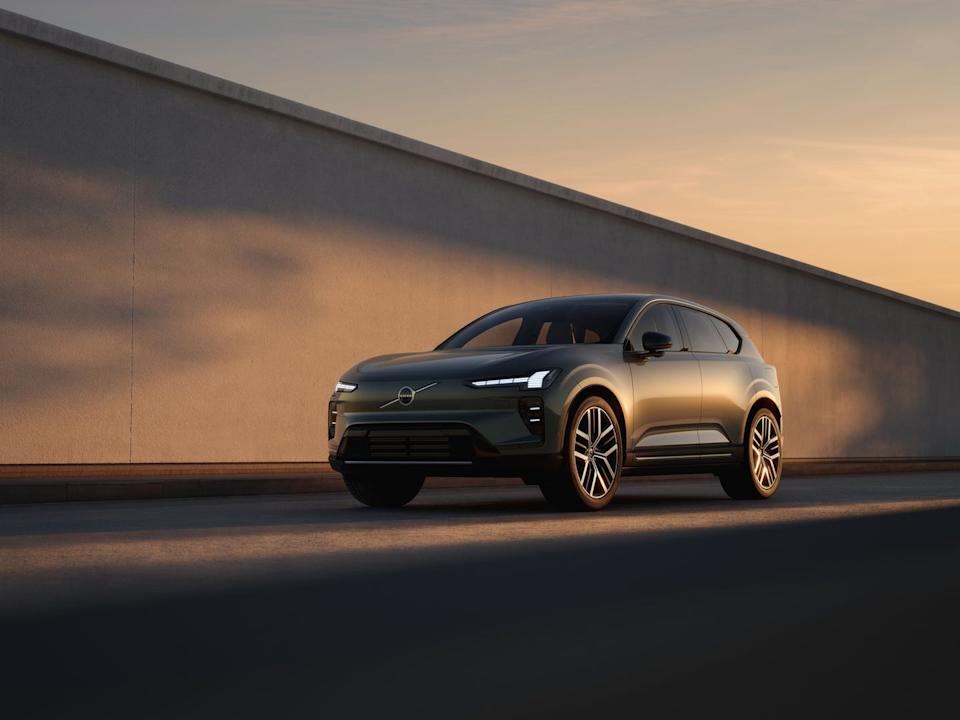
The EX60 arrives as a counterpart to the Volvo’s bestseller, the gas-powered compact XC60 SUV and is Volvo’s first EV to ride on its next-generation SPA3 platform. This brings new structural battery packs comprised of more compact and energy-dense cells, and Volvo claims the EX60 will be capable of up to 400 miles of range. Three powertrains are available, from a rear-wheel-drive variant with 369 hp and 310 miles of range up to the 670-hp P12 model, which will sprint to 60 mph in 3.8 seconds. Deliveries will start in the summer of 2026, and we expect prices to start in the mid-$50,000 range.
Volvo
You Might Also Like