

Virtual Crash Testing in the Works
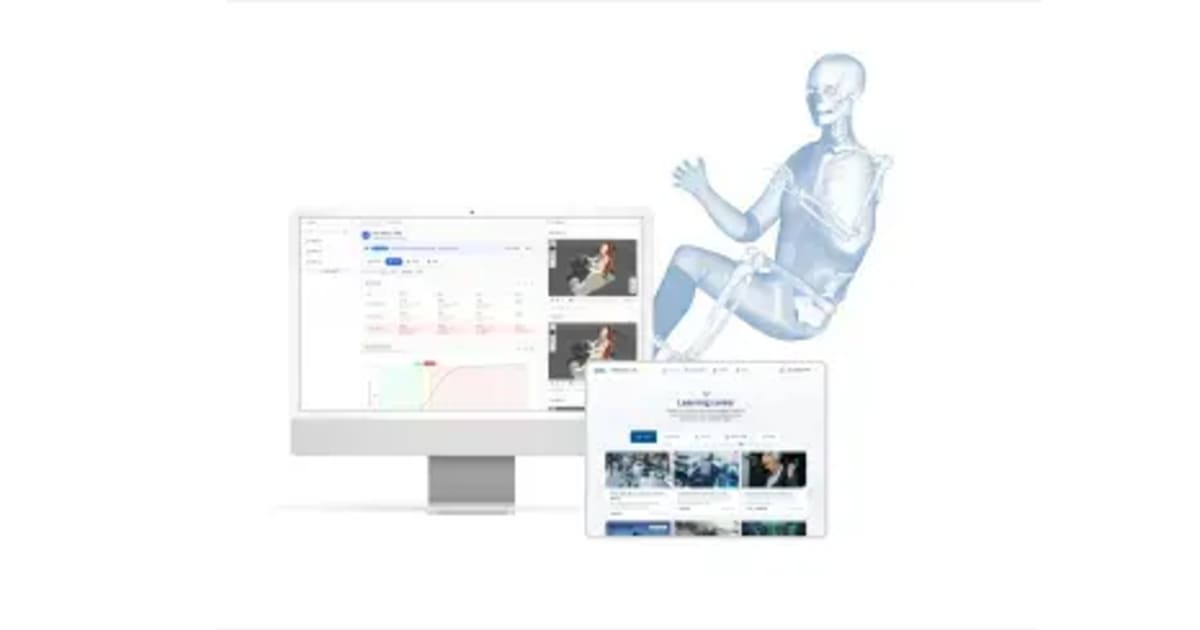
Vehicle safety testing is getting a virtual boost through tech developer Autoliv’s Human Body Model Safety Suite, and Toyota is the first automaker to evaluate its capabilities.
The safety suite “combines an advanced Human Body Model for crash simulation with dedicated software tools for analysis, visualization, and decision-making,” Autoliv said. The model is a “detailed digital representation of human anatomy” that the company says can provide insights physical test dummies can’t.
The virtual platform is used alongside physical crash testing to gather insights into occupant response and injury mechanisms.
“Virtual testing is becoming an increasingly important part of how the automotive industry advances vehicle safety,” pointed out Autoliv Chief Technology Officer Fabien Dumont.
“By combining advanced Human Body Models with dedicated analysis and visualization tools, we can support the development of safer vehicles and contribute to our vision of Saving More Lives.”
According to GlobalData, Toyota’s involvement strengthens the Japanese automaker’s “digital development toolchain to bring safety decisions earlier in the design phase.” Making those decisions earlier in the process could reduce late-stage redesigns, saving automakers time and money.
“The move sits within a broader competitive push to virtualize safety validation,” including expansion of in-house automaker simulation, said GlobalData Senior Automotive Analyst Madhuchhanda Palit.
Autoliv plans to broaden the platform’s availability across the industry this year and support more automakers with virtual testing.