

Surface-Level Vehicle Inspections Don’t Do the Job
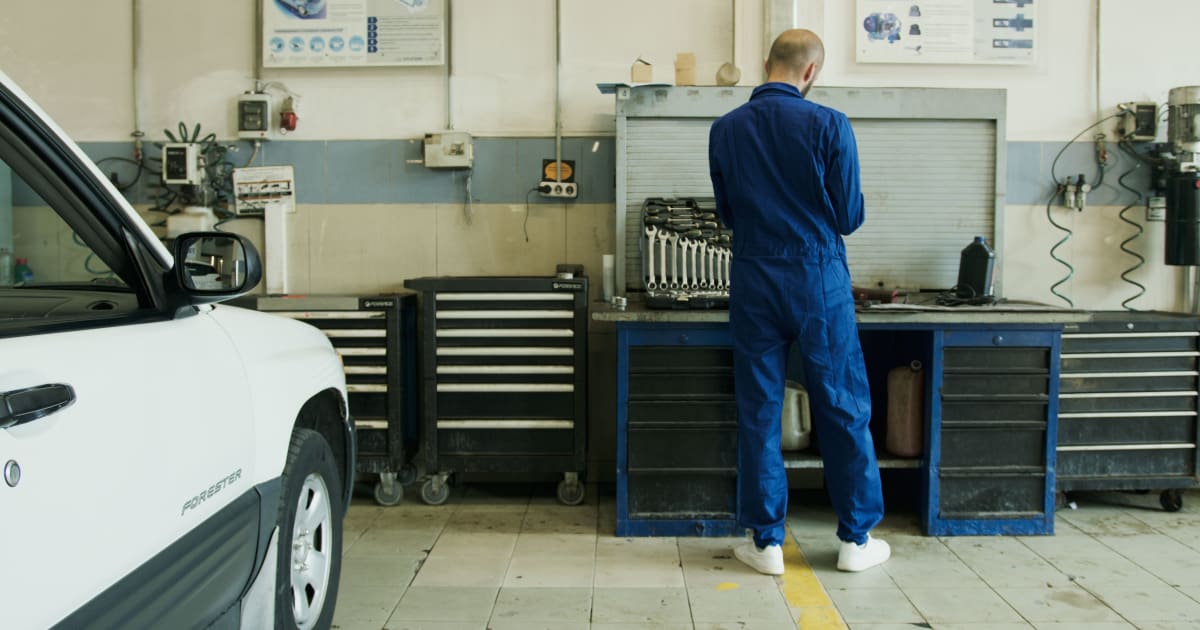
The approach is an easily avoided costly mistake for dealerships that could otherwise catch problems on the front end with easily obtained data.
Used vehicles are the hottest ticket on the lot today. Consumers want more affordable vehicles to purchase, but dealerships paying more for a car at trade-in or auction than it is worth can drive up baseline prices.
Most dealerships are not maximizing used-car profits because of one simple reason: They are skipping mechanical inspections at appraisal.
A survey of over 100 dealers conducted by BlueDriver MAX revealed that when considering a vehicle trade-in or used-car purchase, dealers rank mechanical condition evaluation as the most important step in a successful appraisal. Yet even dealers who conduct mechanical inspections admit they do them only about 59% of the time.
Surveyed dealers estimate that only 50% of vehicles are mechanically evaluated across the industry during appraisal, suggesting that the critical evaluations are widely underperformed.
What Are Dealers Evaluating at Acquisition?
Used-car and acquisition managers look at the aesthetic condition of the vehicle, performing surface-level inspections on practically every one they purchase. Vehicle history reports are checked, market value assessments are conducted, and other tools are used to determine proper pricing.
But unless dealerships conduct mechanical inspections, they are making purchasing decisions without all the data.
When mechanical inspections are done during an appraisal, the methods used are often basic and manual. Managers might take the vehicle for a test drive. They check for fluid leaks, tire wear and dashboard lights that are illuminated.
Previous service records and maintenance history documents are rarely reviewed. Managers may even ask the seller to share details of any known problems. But the one thing they probably will not do is plug a diagnostic scanner into the OBD-II port.
Why is Skipping Diagnostic Scans a Problem?
A vehicle walkaround and test drive will not tell a dealership about pending or historical fault codes that were cleared. They will not know if a vehicle has failed sensors, issues with emissions, or internal engine or transmission performance problems that do not trigger a dashboard check-engine light.
If a car looks clean, seems like it runs well, and the owner reports no previous problems, dealers could overpay, and that is something that happens more often than expected.
A dealership in Cape Coral, Fla., was evaluating a vehicle brought in by a customer. The dealership had just started implementing diagnostic scans as part of its appraisal process that day.
On that very first scan, the dealership discovered that the check-engine light and codes were cleared 12 miles before the customer arrived at the dealership. The vehicle had some transmission issues that might have been missed.
Performing a quick diagnostic scan allowed the dealership to avoid a potential loss and put the acquisition team in a better position to negotiate the vehicle’s value with the customer from the beginning.
A Few Minutes Can Save Thousands
Performing mechanical scans takes only a few minutes, but most dealers still are not doing them, and they are paying the price. Dealers report using entry-level scan tools that provide basic diagnostic trouble code with no repair recommendations 41% of the time.
Midtier diagnostic tools that indicate likely repairs and estimated repair costs for codes are deployed less frequently, used in 34% of mechanical inspections. Professional-grade tools are rarely used; only 26% of inspections include that level of detail.
When mechanical problems are discovered after acquisition, profits are lost. A BlueDriver Max survey of over 100 dealerships found that on average, dealerships are losing $4,000 per month due to undetected mechanical issues.
Today’s scan tools eliminate reasons dealerships are skipping in-depth mechanical assessments during appraisals. They are fast; a typical scan can be completed in the length of time it takes a used-car manager to do a visual inspection.
Reporting is detailed and simple to understand. Instead of a list of diagnostic trouble codes that require a technical background to be interpreted, scan reports summarize flagged issues, estimate costs to complete repairs, and even assign a risk rating to the vehicle based on findings.
Data-Based Appraisals as Profit Engine
A strong appraisal process goes beyond appearance, vehicle history and market value. It requires a clear understanding of a vehicle’s mechanical condition. By making diagnostic scans a standard part of every appraisal, dealerships can uncover hidden issues before acquisition, make more informed purchasing decisions, and keep inventory moving off the lot instead of sitting and waiting for repairs.
As margins on used vehicles remain under pressure, dealerships that adopt consistent, data-driven mechanical inspections will be better positioned to protect profitability, improve operational efficiency, and gain a competitive advantage in an increasingly demanding used-vehicle market.
ABOUT THE AUTHOR: Cole Reiken is managing director of BlueDriver Max.
EDITOR’S NOTE: This article was authored and edited according to Auto Dealer Today editorial standards and style. Opinions expressed may not reflect that of the publication.